7 tips for buying your first motorcycle
What should you look out for with your first motorcycle? Engine size, intended use, research, inspecting a used motorcycle and test rides.
In this article11 sections
Choose a light, easy-to-handle motorcycle between 250cc and 500cc, or an A2 motorcycle of no more than 35 kW, where you can stand with both feet flat on the ground. First decide what you will use it for, compare models thoroughly, have a used motorcycle properly inspected and take several test rides before you buy.
Introduction
Buying your first motorcycle is an exciting milestone in your life as a motorcycle enthusiast. It marks the start of countless adventures on the road and the freedom that only riding can offer. But it is also a decision that should not be taken lightly. The right choice can greatly affect your enjoyment and safety, while the wrong one can dampen your enthusiasm or even be dangerous.
Why a well-considered choice matters
A thoughtful approach to buying your first motorcycle is crucial for several reasons:
- Safety: A motorcycle that suits your experience and physical abilities makes for a safer ride.
- Comfort: The right motorcycle makes long rides enjoyable rather than tiring.
- Cost-effectiveness: A well-considered choice means you won't soon be looking for another motorcycle.
- Riding enjoyment: With the right motorcycle beneath you, you will enjoy every ride more and build confidence faster.
By taking the time to choose your first motorcycle carefully, you lay a solid foundation for years of riding enjoyment. In the following sections we take a closer look at the specific things to consider with this important purchase.
Choosing the right motorcycle as a beginner
As a new rider, it is tempting to go straight for your dream motorcycle. Even so, it is wiser to start with a suitable beginner's motorcycle. Why? Because as a new rider you still have a lot to learn about controlling the bike, reading the traffic and knowing your own limits.
A suitable beginner's motorcycle
A good beginner's motorcycle offers:
- More forgiveness when you make mistakes
- Easier control and handling
- Less risk of accidents caused by too much power
Factors for your first motorcycle
When choosing your first motorcycle, look at:
- Engine power: Start with a motorcycle between 250cc and 500cc. This gives you enough power without being overwhelming.
- Weight: A lighter motorcycle is easier to manoeuvre, especially at low speeds.
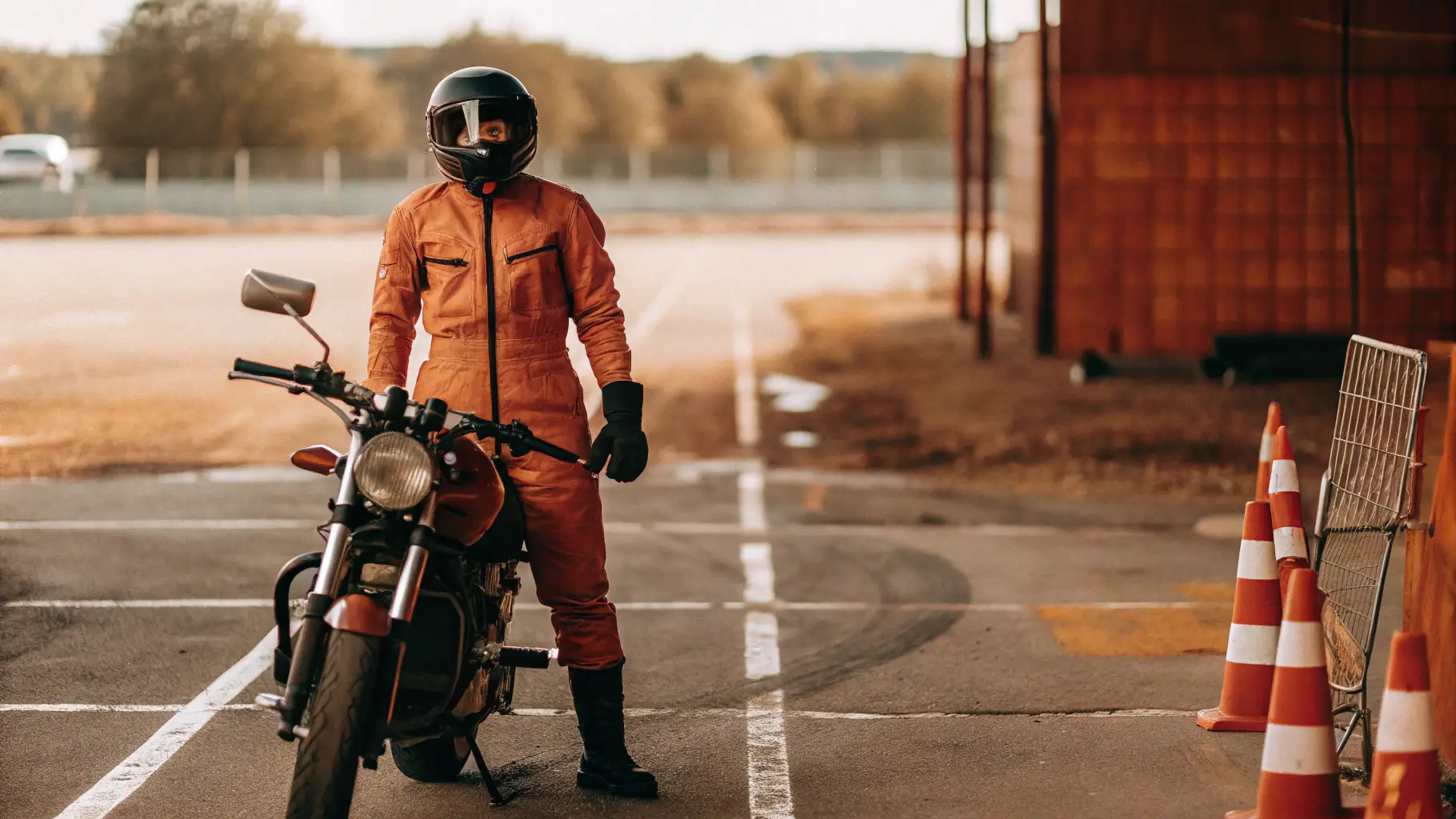
- Seat height: Make sure you can stand with both feet flat on the ground for stability.
- Riding position: A neutral seating position is more comfortable and gives you more control.
- Ease of maintenance: Choose a reliable brand with good service.
By taking these factors into account, you choose a motorcycle that helps you grow as a rider. That way you build confidence and can safely move up to more powerful models later.
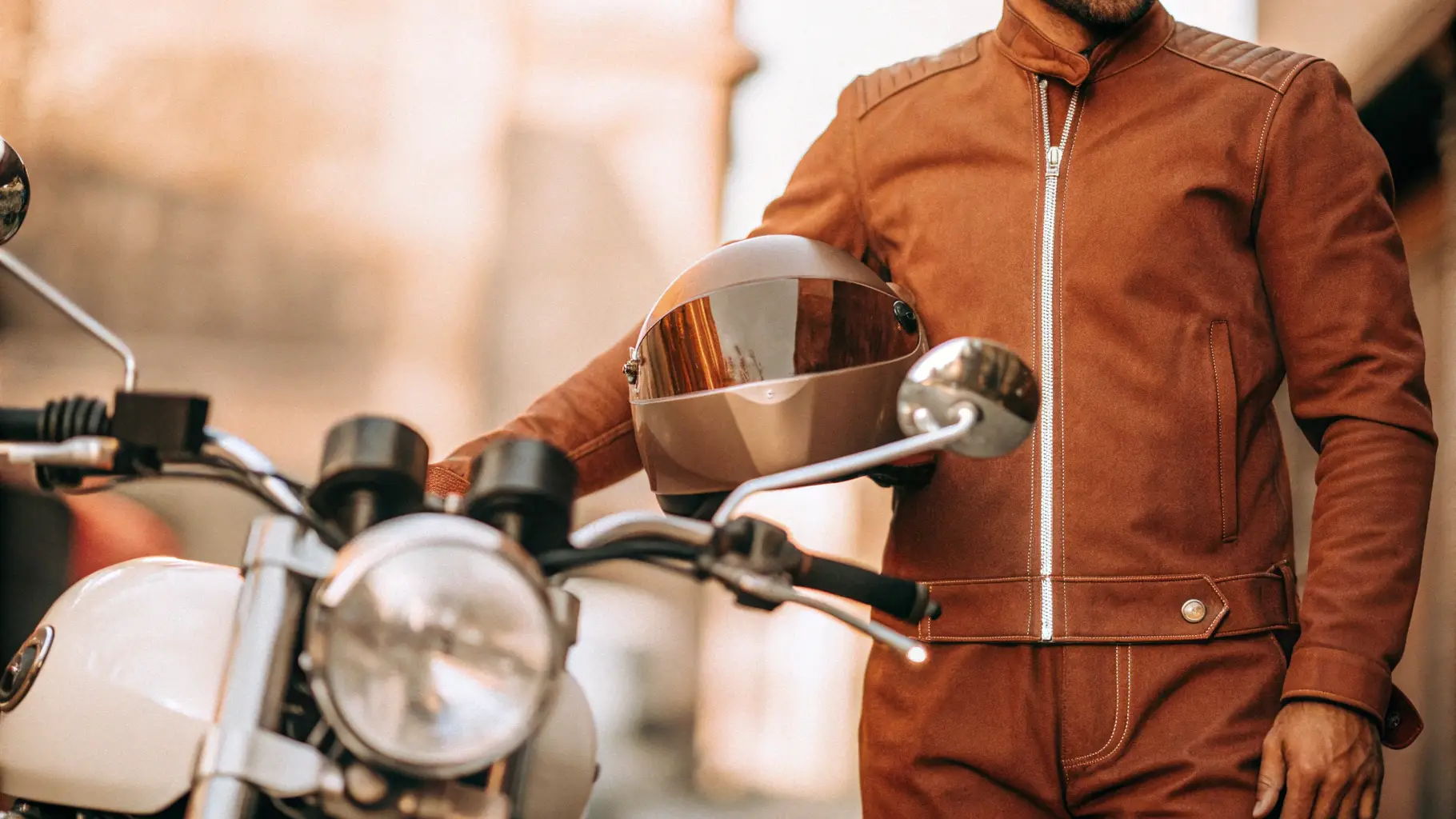
Don't forget that safety comes first. A good helmet is essential for every rider, whatever their experience. Brands such as Roof and Scorpion offer excellent helmets for beginners, with a good balance of safety, comfort and price.
Deciding what you will use your motorcycle for
Choosing the right motorcycle starts with deciding what you will use it for. Whether you dream of long touring trips, daily commuting or sporty riding on winding roads, each type of use calls for a specific motorcycle.
Different purposes for motorcycle use
- Commuting: For daily commuting, a comfortable, economical motorcycle is ideal.
- Touring: Long distances call for a motorcycle with good wind protection and luggage space.
- Sporty riding: Fans of speed and cornering look for a light, agile motorcycle.
- Off-road adventures: For unpaved roads you need a sturdy motorcycle with plenty of ground clearance.
How your intended use affects your choice
What you use it for directly influences aspects such as:
- Motorcycle type (naked, touring, sport, adventure)
- Engine size
- Riding position
- Fuel consumption
- Maintenance needs
Examples of motorcycle types for specific purposes
- For commuting: A mid-range naked bike or scooter
- For touring: A comfortable touring motorcycle with a windscreen
- For sporty riding: A light sports motorcycle or superbike
- For off-road: An adventure or dual-sport motorcycle
By being clear about what you will use it for, you make a well-considered choice that suits your riding style and needs. This not only brings more riding enjoyment, but also a safer and more comfortable experience on the road.
The role of engine power and engine size
As a new rider, it is crucial to understand how engine power and engine size affect your riding experience. These factors play a big part in the safety and control you have over your motorcycle.
Why fewer cc are safer for beginners
For new riders, it is wise to start with a motorcycle with fewer cc. A smaller engine size usually means:
- Less explosive acceleration
- Speeds that are easier to manage
- Easier to control in different traffic situations
The link between engine power and control
More power may seem appealing, but it can be overwhelming for inexperienced riders:
- High power demands more finesse and experience
- Sudden surges of power can lead to a loss of control
- Lower power gives you more time to react to traffic situations
Recommended engine power for new riders
For your first motorcycle, it is smart to stay within these limits:
- 250cc to 500cc for road motorcycles
- A maximum of 50 hp for an optimal learning curve
- Motorcycles compatible with an A2 licence (max. 35 kW / 48 hp)
By choosing a motorcycle with suitable power, you build experience safely. That way you can move up to more powerful models later with confidence, without compromising your safety.
Doing thorough research
Buying your first motorcycle is an exciting experience, but it also takes thorough research to make the right choice. By investing time in gathering information, you improve your chances of a successful purchase that suits your needs and riding style.
The importance of research before you buy
Doing good research before you buy a motorcycle has several benefits:
- You gain insight into the different types of motorcycle and their characteristics
- You learn about the pros and cons of different brands and models
- You can better judge which motorcycle suits your experience and riding style
- You avoid costly mistakes caused by rushed decisions
Finding reliable information
To find reliable information about motorcycles, you can consult the following sources:
- Specialist motorcycle magazines and their websites
- Independent review sites and forums for riders
- Official websites of motorcycle manufacturers
- Other riders' experiences on social media and in motorcycle clubs
Tips for comparing motorcycle models
When comparing different motorcycle models, look at the following aspects:
- Technical specifications: power, weight, seat height
- Ease of use and ease of maintenance
- Safety features and available technology
- Fuel consumption and running costs
- Availability of parts and service
By comparing these points systematically, you get a clear picture of which motorcycle suits you best. Don't forget to look for owner reviews too, for practical insights that are not always in the official specifications.
The motorcycle inspection
When buying a used motorcycle, a thorough inspection is indispensable. It can not only save you a lot of money, but also reveal potential safety problems. Let's look at the most important aspects of a motorcycle inspection.
Why a thorough inspection is crucial
A careful check of a used motorcycle can:
- Reveal hidden defects
- Strengthen your negotiating position
- Prevent future repair costs
- Give you peace of mind about your purchase
Important points to check
When inspecting a used motorcycle, look at:
- Tyres: Check for wear and cracks
- Brakes: Look at the condition of the brake discs and pads
- Chain and sprockets: Check for excessive wear
- Oil level and quality: Dark, thick oil can point to problems
- Frame: Look for cracks or signs of a fall
- Electrics: Test all the lights and instruments
The importance of bringing an expert
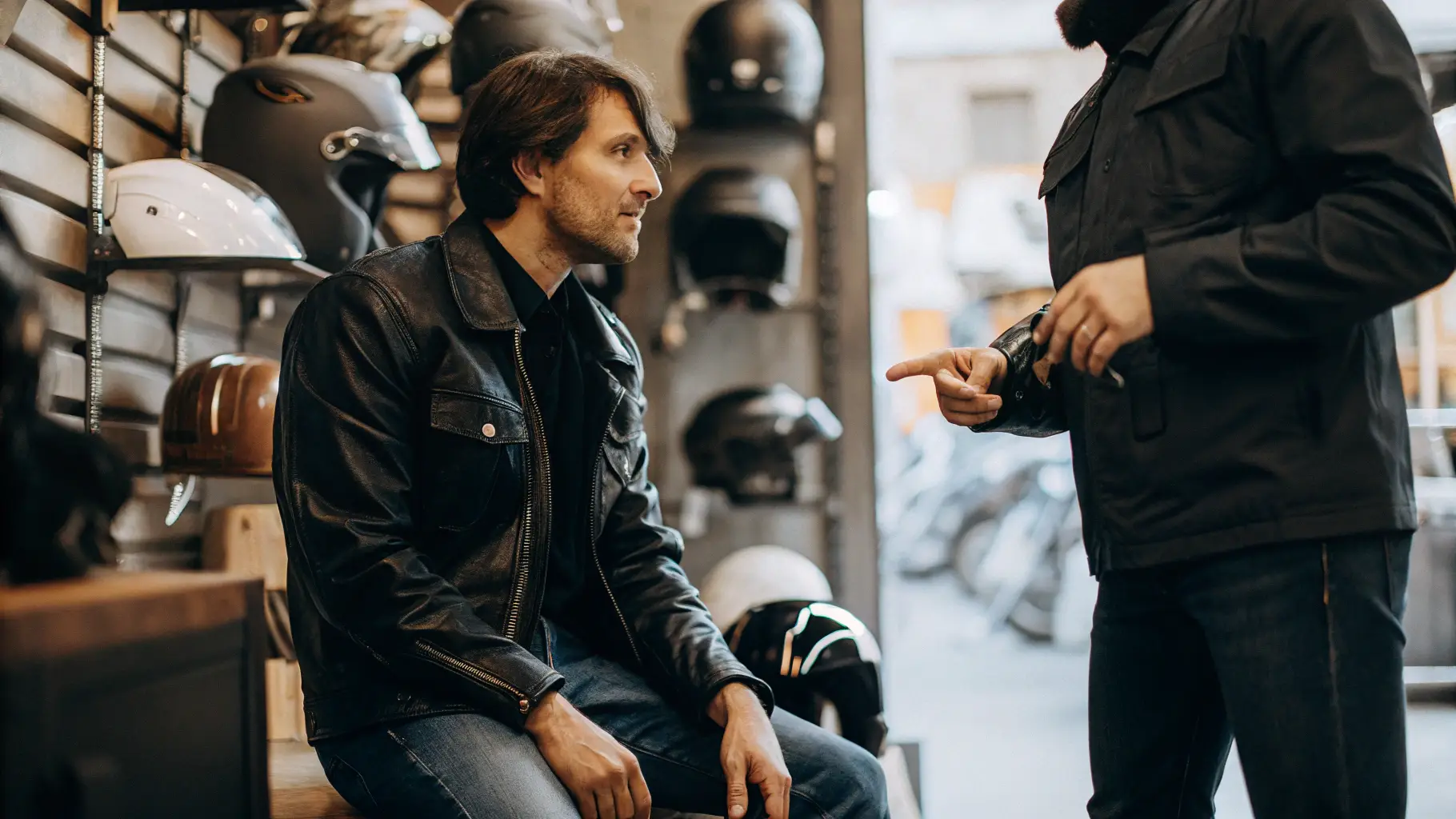
Consider bringing an experienced rider or mechanic along to the inspection. Their expertise can be invaluable for spotting subtle problems that you, as a beginner, might overlook. Their presence can also give you more confidence during the negotiation.
A thorough inspection is the key to a sensible purchase. Take your time and don't be afraid to ask critical questions. Your future self will thank you for this careful approach.
Taking test rides
Taking test rides is an essential step when buying your first motorcycle. Not only does it give you a good idea of how the motorcycle rides, it also helps you compare different models and make the right choice.
The value of several test rides
By taking several test rides, you can:
- Compare different motorcycles and experience their pros and cons
- Get used to different riding positions and motorcycle weights
- Test your riding skills on different types of motorcycle
- Get a better feel for which motorcycle suits you best
What to look out for during a test ride
During your test ride, pay attention to the following aspects:
- Comfort of the riding position
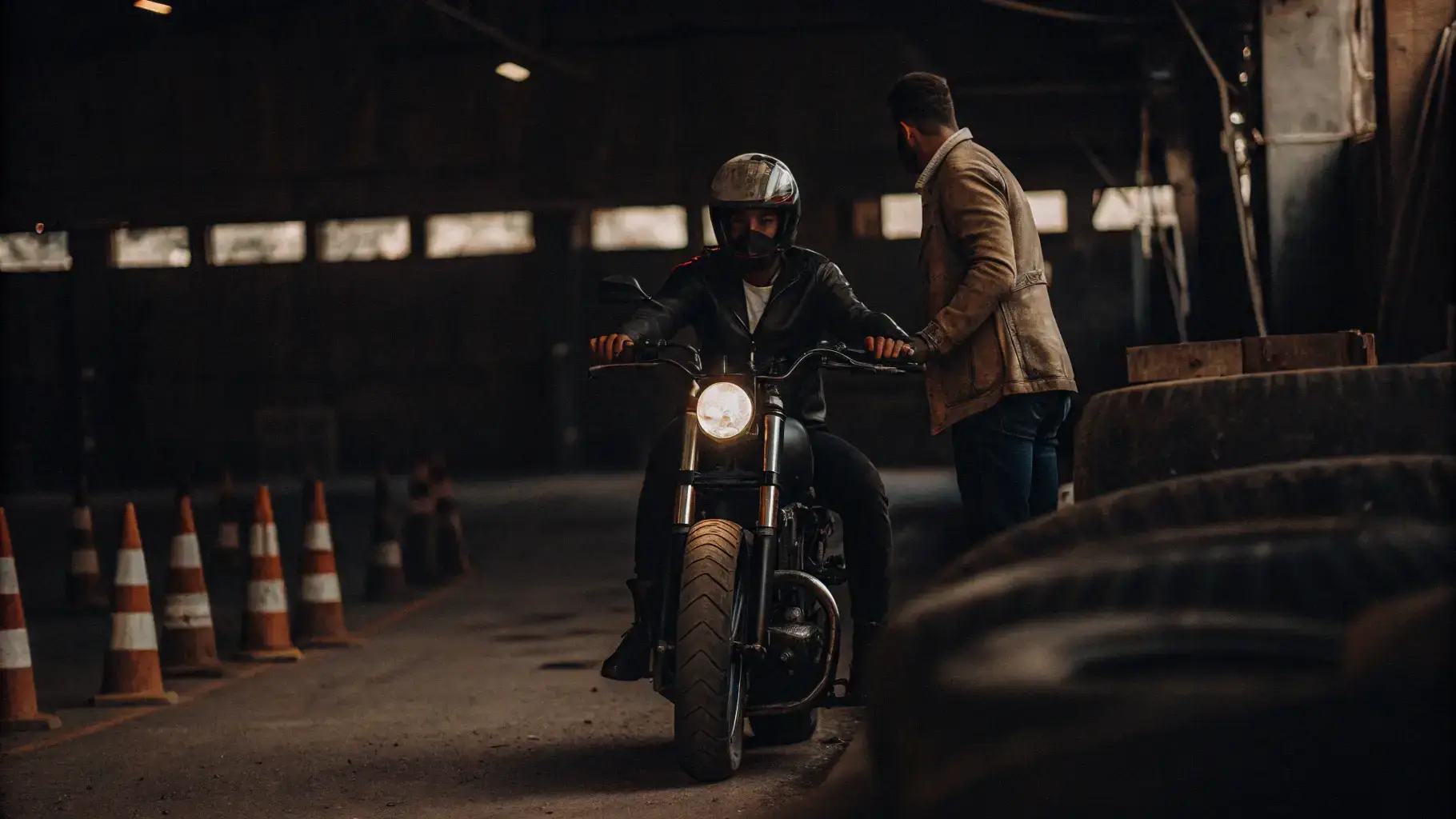
- Handling at low speeds
- Braking behaviour and feel
- Gear changing and clutch feel
- Visibility in the mirrors
- Noise level and vibrations
Comparing motorcycles during test rides
To compare different motorcycles effectively:
- Make notes after each ride
- Ride the same route on different motorcycles
- Test the motorcycles in different traffic situations
- Ask whether you can take a longer test ride
By taking test rides thoroughly, you improve your chances of finding the perfect first motorcycle for your riding style and needs. Take your time and don't be afraid to be critical: after all, it is an important investment in your riding enjoyment.
Popular beginner motorcycles
As a new rider, it is important to know which motorcycles suit your level. Let's look at the characteristics of good beginner motorcycles and some popular models.
Characteristics of good motorcycles for beginners
An ideal beginner's motorcycle has the following qualities:
- Lower power (between 250cc and 500cc)
- Lightweight frame for better handling
- Comfortable riding position
- Reliability and simple maintenance
- Affordable purchase and insurance costs
Examples of suitable models for different riding styles
- For city riding:
- Honda CB300R
- Yamaha MT-03
- For touring:
- Kawasaki Versys-X 300
- Suzuki V-Strom 250
- For sporty riding:
- KTM RC 390
- Yamaha YZF-R3
Pros and cons of popular beginner motorcycles
Take the Honda CB500F, for example:
Pros:
- Versatile
- Reliable and economical
- Suitable for an A2 licence
Cons:
- Can become boring as your experience grows
- Limited power for motorways
When choosing your first motorcycle, it is essential to consider your riding style and goals. A good helmet is indispensable for your safety. Brands such as Roof and Scorpion offer excellent options for beginners, with a perfect balance of protection and comfort.
Conclusion
Buying your first motorcycle is an exciting step in your motorcycling adventure. By following the tips in this article, you improve your chances of a successful and safe start as a rider. Let's run through the key points once more:
- Choose a motorcycle that suits your experience and riding style
- Decide what you will use it for before you make a choice
- Start with lower engine power for more control and safety
- Do thorough research and compare different models
- Carry out a careful inspection of used motorcycles
- Take several test rides to find the right motorcycle
- Consider popular beginner motorcycles that suit your needs
Frequently asked questions
What is the best engine size for a beginner's motorcycle?
For beginners, a motorcycle between 250cc and 500cc is ideal. It offers enough power without being overwhelming.
How important is it to take a test ride?
A test ride is essential. It gives you a good idea of how the motorcycle rides and whether it suits you in terms of comfort and handling.
As a beginner, should I buy a new or a second-hand motorcycle?
Both options have their pros and cons. A new motorcycle comes with a warranty and the latest technology, while a second-hand motorcycle is often cheaper. Choose whichever best suits your budget and preferences.
What safety gear do I need besides my motorbike?
A good helmet is essential. Protective clothing, gloves and boots are also strongly recommended for optimum safety.
How do I know if a motorcycle suits my height?
On a test ride, you should be able to stand comfortably with both feet flat on the ground when you come to a stop. This gives you stability and control.
Is it a good idea to buy a sports bike straight away as a beginner?
For most beginners, it is wiser to start with a more versatile and forgiving model. Sports bikes often require more experience to handle safely.
How often should I have my motorcycle serviced?
Follow the service schedule in your motorcycle's owner's manual. Usually a service once a year or every 5000-10000 km is recommended, whichever comes first.
Was this article helpful?