10 tips for your first motorcycle lessons
What gear you need, how to prepare for the theory and practical sides, and how to get the most out of your lessons and your instructor.
In this article13 sections
- Short answer
- Introduction
- Choosing the right gear
- Starting out prepared
- Choosing the right motorcycle
- Learning from your instructor
- Practising in a safe environment
- Mastering the motorcycle controls
- Developing good looking techniques
- Defensive riding and situational awareness
- Keep learning and improving
- Conclusion
- Frequently asked questions
Get good protective clothing: a well-fitting helmet that meets the safety standards, a motorcycle jacket, motorcycle trousers, gloves and boots. Study the theory and the rules of the road beforehand, choose a reliable riding school and listen closely to your instructor. Start on a light motorcycle, practise somewhere quiet and work on a defensive riding style.
Introduction
Overview of the 10 tips:
- Choose the right motorcycle clothing
- Make sure you have a good basic level of fitness
- Study the rules of the road
- Practise your balance on a bicycle
- Choose a reliable riding school
- Set realistic expectations
- Listen carefully to your instructor
- Start with a light motorcycle
- Practise regularly outside your lessons
- Develop a defensive riding style
Choosing the right gear
When you start riding, choosing the right gear is one of the most important steps. Good motorcycle clothing is not just a matter of style, but above all of safety. Let's take a look at the essential parts of your riding gear.
The importance of protective clothing
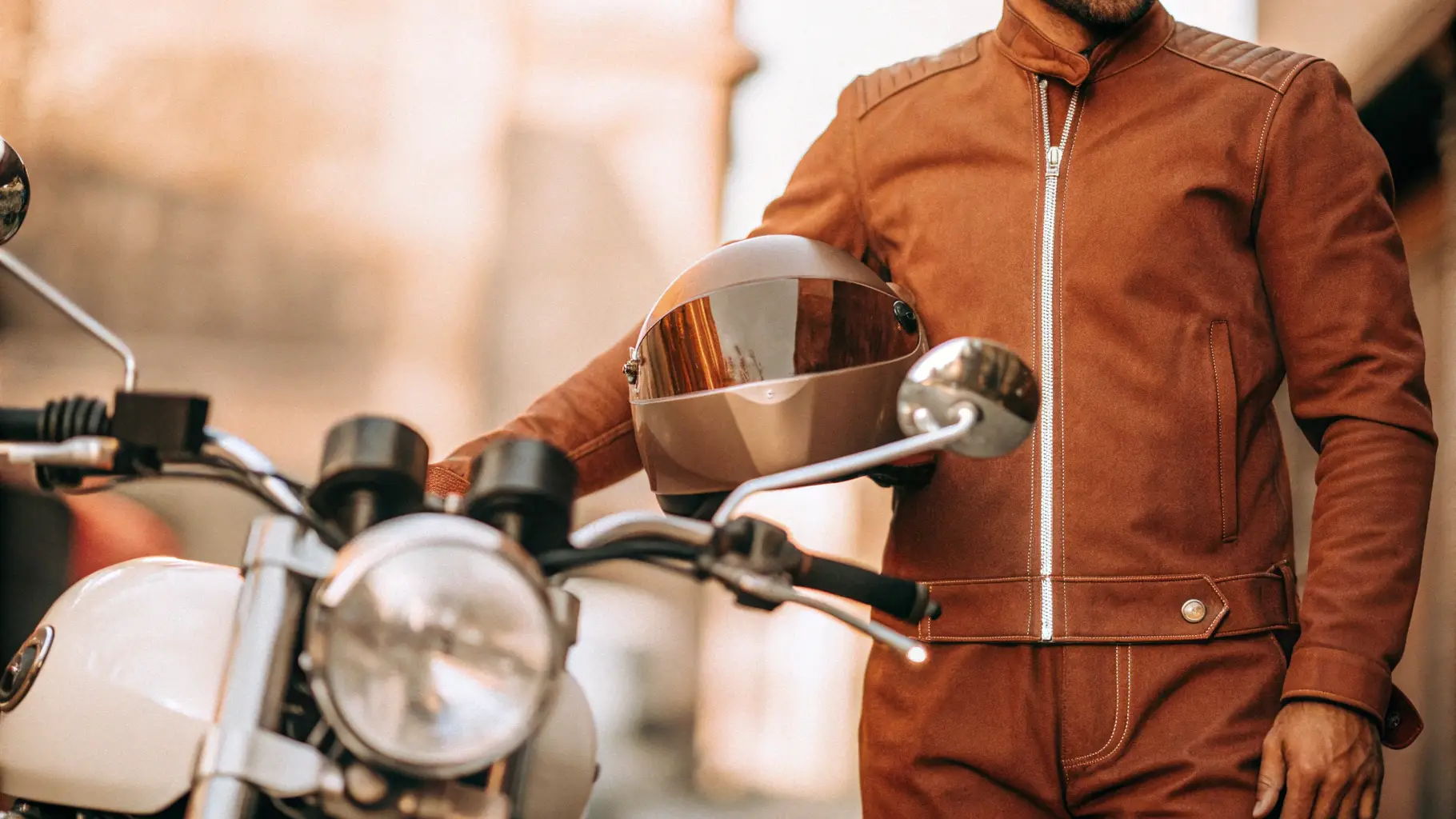
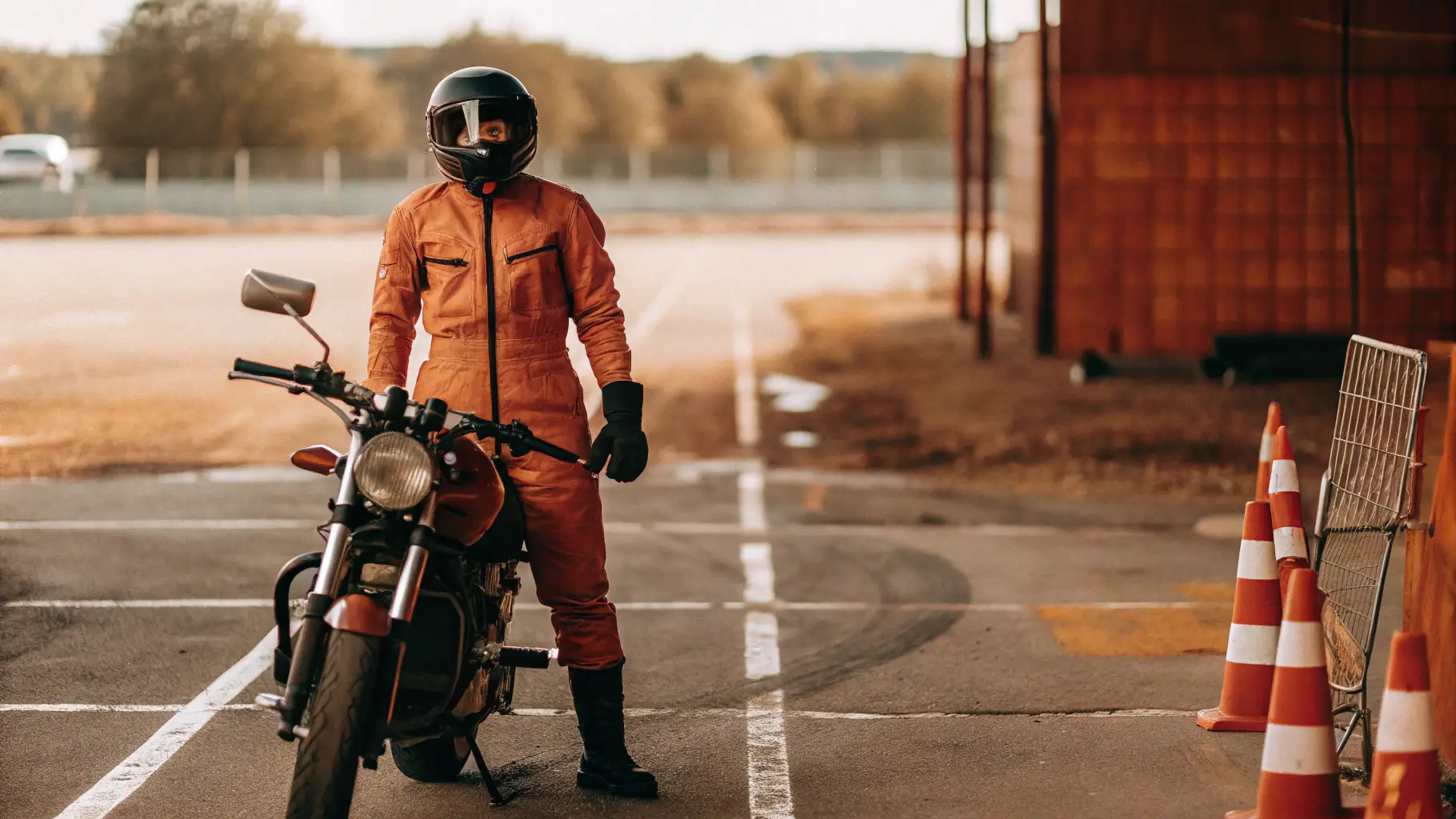
Protective clothing is your first line of defence in the event of an accident. A good helmet is absolutely essential and protects your head in a fall. Choose a helmet that fits well and meets the safety standards. A full-face helmet offers the most protection, but a modular helmet can also be a good choice.
Essential pieces of gear
Besides a helmet, you also need protective clothing:
- Motorcycle jacket: protects against wind and weather, but also against abrasions
- Motorcycle trousers: with reinforcements at the knees and hips
- Gloves: for grip and protection of your hands
- Motorcycle boots: sturdy footwear that protects your ankles
Balancing safety and comfort
When choosing your gear, it is important to find a balance between safety and comfort. Your clothing must protect you, but also be comfortable enough for you to concentrate properly on riding. For example, choose clothing with ventilation for warm days and waterproof items for wet weather.
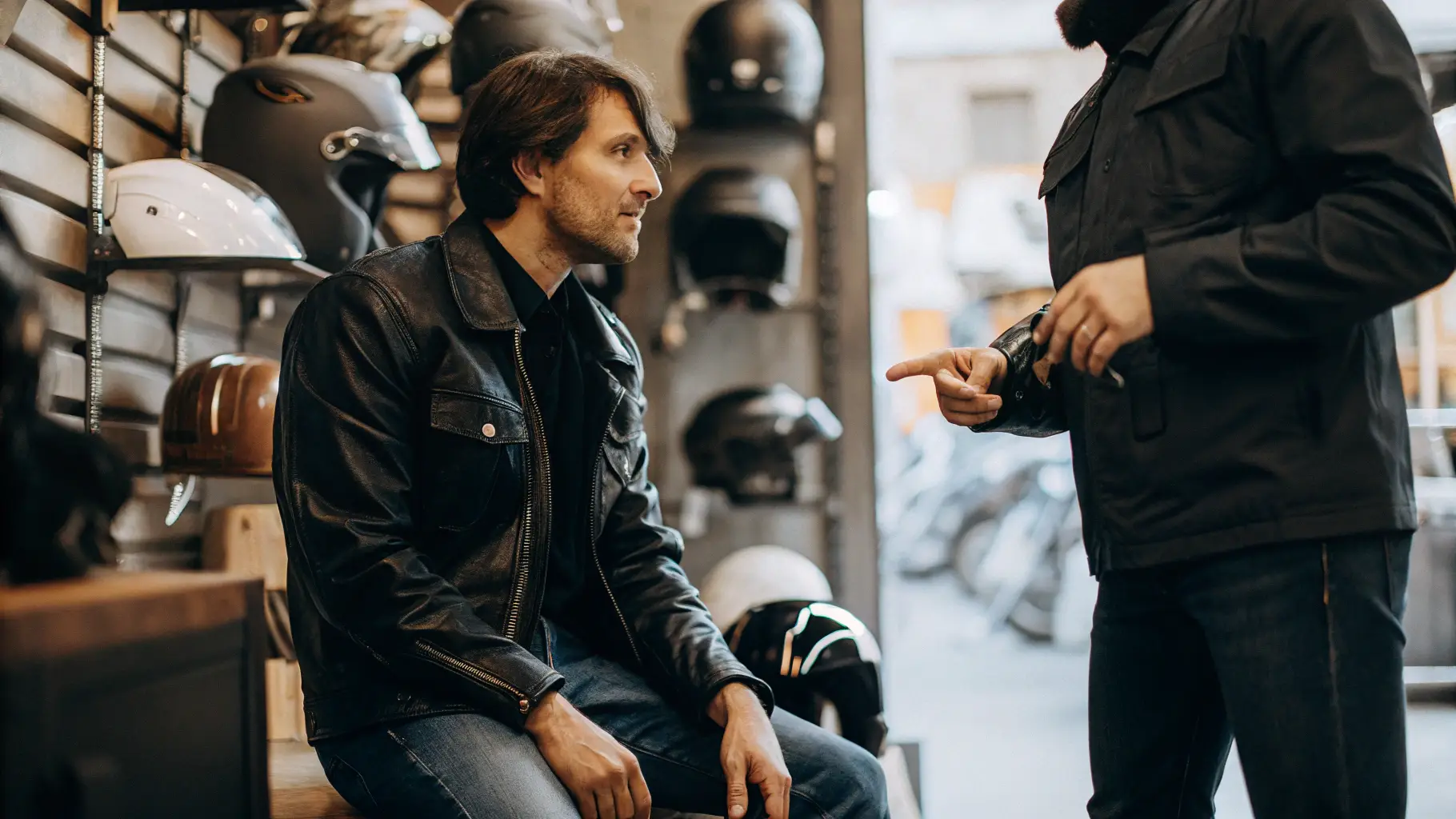
Invest in quality products from reputable brands. Although the purchase may seem expensive at first, it is worth the investment for your safety and enjoyment of riding. What's more, specialist shops can often give you expert advice on the right size and fit.
Starting out prepared
Before you start your first motorcycle lesson, it is important to prepare yourself well. Good preparation means you get more out of your lessons and make progress faster. Here are a few tips to prepare yourself as well as possible for your motorcycling adventure.
Learning the basics
Dive into the theory of motorcycling before you get on the bike. Read books about riding, watch instructional videos online or take an online course. This way you become familiar with the basic principles and terminology, which gives you a head start in your practical lessons.
Understanding key concepts
Make sure you understand the following concepts well:
- Clutch, throttle and brake: The basic controls of a motorcycle
- Counter-steering: An essential technique for taking corners
- Looking technique: The importance of looking well ahead and scanning your surroundings
- Gear changing: The principle of changing up and down
Mental preparation
Motorcycling requires not only physical skill, but also mental strength. Prepare yourself mentally by:
- Thinking positively and having confidence in yourself
- Concentrating on the learning process and not being afraid to make mistakes
- Being patient; everyone learns at their own pace
By making these preparations, you will start your first motorcycle lesson with more confidence and knowledge. Remember that good preparation is the key to success and safety on the road.
Choosing the right motorcycle
Choosing the right motorcycle is a crucial step for new riders. A suitable motorcycle can speed up your learning and boost your confidence on the road. Let's look at the main factors to consider when choosing your first motorcycle.
Features of a good beginner's motorcycle
An ideal motorcycle for beginners usually has the following characteristics:
- Light weight: Easier to manoeuvre, especially at low speeds
- Limited power: Between 250cc and 500cc is often ideal to start with
- Comfortable riding position: Sitting upright gives you more control and a better view
- ABS braking system: For extra safety, especially in emergencies
Factors to consider
When choosing your first motorcycle, take into account:
- Your height and weight
- Your riding experience (including on other vehicles)
- The type of roads you will mainly ride on
- Your budget, including insurance and maintenance
Different motorcycle styles for beginners
There are various motorcycle styles that can suit beginners:
- Naked bikes: Versatile and light, perfect for the city and twisty roads
- Sport-tourers: Comfortable for longer rides, with a sportier look
- Cruisers: Low seat and relaxed riding position, ideal for gentle rides
Remember that the best motorcycle for you depends on your personal preferences and goals. Take the time to explore different options and ask experienced riders or instructors for advice. A good choice at the start of your riding career lays the foundation for years of riding enjoyment.
Learning from your instructor
A good relationship with your riding instructor is essential for a successful learning process. By working together effectively, you can make progress faster and develop your riding skills to the full.
The importance of listening well
Your instructor has a wealth of knowledge and experience. By listening carefully, you can:
- Better understand and avoid safety risks
- Pick up the technical aspects of riding faster
- Boost your confidence on the bike
Ask questions if something is unclear and ask for clarification when needed. A good instructor will always answer your questions patiently.
Getting the most out of your lessons
To get the most out of your lessons:
- Prepare well: read up beforehand on the topics that will be covered
- Be on time and well rested for your lesson
- Note down important points after each lesson so you can go over them at home
- Practise between lessons, for example with balance and coordination exercises
Dealing with feedback
Feedback is a valuable part of the learning process. What is the best way to handle it?
- Be open to criticism and see it as a chance to grow
- Ask for specific examples if the feedback is unclear
- Reflect on the feedback you have received after each lesson and work on areas for improvement
By following this advice, you will not only learn faster, but also become a better and safer rider. Remember that every instructor has their own style, so be flexible and adapt where necessary.
Practising in a safe environment
Practising in a controlled environment is an essential step in your riding career. This safe setting offers countless benefits for new riders.
Benefits of a controlled environment
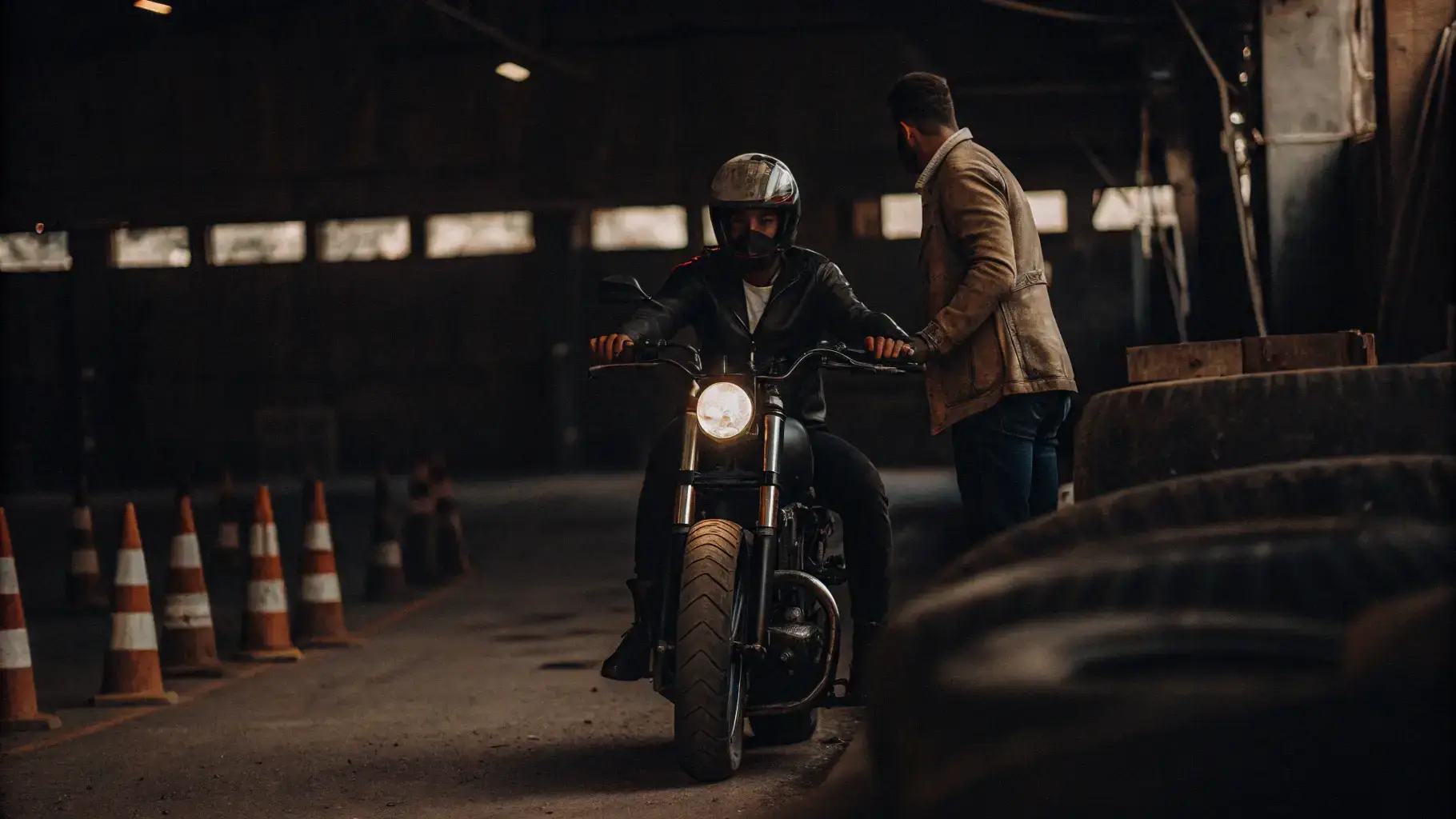
A closed-off site or a quiet car park is the ideal place to gain your first experiences on a motorcycle. Here you can focus on learning to control your motorcycle without the pressure of other traffic. You can make mistakes and learn from them in peace, without immediate danger to yourself or others.
Basic skills to practise
In this safe environment you can concentrate on developing crucial basic skills:
- Keeping your balance at low speeds
- Changing gear and using the clutch smoothly
- Perfecting braking techniques
- Taking corners and applying the right looking technique
Building confidence
By improving your skills step by step, your confidence as a rider grows. Start with simple exercises and gradually build up to more complex manoeuvres. As you gain more control over your motorcycle, you will notice that your fear lessens and your enjoyment of riding increases.
Many riding schools offer dedicated practice areas where you can practise under supervision. If you want to practise on your own, always wear the right protective clothing and, if possible, take an experienced rider along for advice and support.
Mastering the motorcycle controls
Mastering the controls is a crucial skill for every new rider. By getting to grips with the main controls, you lay a solid foundation for safe and confident riding.
Main controls
The primary controls of a motorcycle are:
- Throttle: Controls the speed
- Clutch lever: For changing gear and pulling away
- Brake levers: Front and rear brake for optimal stopping power
- Gear lever: To work through the gears
Techniques for smooth gear changes and braking
Smooth gear changes require coordination between throttle, clutch and gear lever. Practise the following:
- Releasing the clutch gradually
- Timing the throttle when changing up
- Changing down with a throttle blip
For effective braking:
- Use both brakes at the same time
- Apply the braking force gradually
- Practise emergency stops in a safe environment
Developing muscle memory
Repetition is the key to developing muscle memory:
- Practise regularly, including outside your lessons
- Focus on one technique at a time
- Ask your instructor for feedback
By practising consistently, these actions eventually become second nature, so you can concentrate on the road and the traffic around you.
Developing good looking techniques
Good looking techniques are essential for safe riding. It is important not only to know how to control your motorcycle, but also how to keep an eye on the road and your surroundings. Let's look at the main aspects of effective looking techniques for riders.
The importance of 'looking where you want to go'
One of the most crucial principles of motorcycling is 'looking where you want to go'. Your motorcycle follows your gaze. By looking well ahead and focusing your eyes on where you want to go, you steer in that direction without realising it. This helps you take corners more smoothly and avoid obstacles.
Scanning your surroundings and anticipating hazards
As a rider you are more vulnerable in traffic, so it is extra important to be alert to potential hazards. Develop the habit of constantly scanning your surroundings:
- Look well ahead to spot potential problems early
- Check your mirrors regularly
- Watch the 'body language' of other vehicles
- Be extra alert at junctions and driveways
By scanning proactively, you can anticipate situations better and have more time to react.
Exercises to improve your visual skills
Improving your looking technique takes practice. Here are a few tips:
- Practise quickly scanning your surroundings, including your mirrors
- Try to identify objects in the distance while riding
- Play out 'what if' scenarios in your head to improve your anticipation skills
By working consistently on your looking techniques, you greatly increase your safety on the road. Remember: good riders use their eyes just as actively as their hands and feet.
Defensive riding and situational awareness
Defensive riding is an essential skill for every rider, especially beginners. It is not only about controlling your motorcycle, but also about anticipating potential hazards and taking proactive measures to stay safe.
Principles of defensive riding
The core of defensive riding is thinking ahead and minimising risks. Some basic principles are:
- Always keep enough distance from other vehicles
- Adjust your speed to the conditions
- Be visible to other road users
- Anticipate the possible actions of others
Recognising and avoiding potential hazards
As a rider you must be constantly alert to possible hazards:
- Watch out for cars that may suddenly change lane
- Be extra careful at junctions and driveways
- Take account of the blind spots of other vehicles
- Be alert to road conditions such as a wet surface or loose gravel
Strategies for staying safe in traffic
Develop these habits for safe riding:
- Continuously scan your surroundings and look well ahead
- Use the 'escape route' technique: always keep a way out in mind
- Communicate clearly with other road users through your road position and your indicators
By applying these principles, you greatly increase your safety. Remember that defensive riding is a skill you can keep improving, even as an experienced rider.
Keep learning and improving
As a rider it is essential to keep learning and improving, even after you have passed your test. The world of motorcycling is constantly moving, and there are always new techniques and insights to take your skills to a higher level.
The importance of continuing education
Continuous learning not only helps you become a better rider, but also increases your safety on the road. By regularly brushing up your knowledge and skills, you stay sharp and are better prepared for unexpected situations.
Options for advanced riding techniques
There are various ways to improve your riding skills:
- Advanced riding courses: These courses focus on specific aspects such as cornering or riding in groups.
- Track days: Here you can push your limits in a safe environment.
- Off-road training: Improve your balance and control of your motorcycle in challenging conditions.
Resources for further development
To keep developing as a rider, you can make use of:
- Motorcycle magazines and online forums for the latest tips and tricks.
- Workshops and seminars on subjects such as motorcycle maintenance or safe touring.
- Local motorcycle clubs for group rides and swapping experiences.
By staying actively engaged in your development as a rider, you will not only get more enjoyment out of riding, but also become a safer and more confident road user.
Conclusion
Learning to ride a motorcycle is an exciting journey full of new experiences and challenges. By applying these 10 essential tips, you lay a solid foundation for a safe and enjoyable riding career:
- Invest in the right safety gear
- Prepare yourself physically and mentally
- Know the rules of the road
- Choose a reliable riding school
- Start with a suitable motorcycle
- Listen carefully to your instructor
- Practise in a safe environment
- Master the basic techniques
- Develop good looking techniques
- Apply defensive riding
By following this advice, you will not only learn faster, but also become a better and safer rider.
Frequently asked questions
How long does it take on average to complete motorcycle lessons?
The time it takes varies from person to person, but expect around 20 to 30 lessons spread over a few months.
Which motorbike is best for beginners?
A lightweight bike (250-500cc) with a comfortable riding position is ideal. Brands such as Honda, Kawasaki and Yamaha offer good options for beginners.
Is it compulsory to wear a helmet during motorcycle lessons?
Yes, in the Netherlands it is compulsory to wear an approved helmet when riding a motorcycle, including during lessons.
Can I take motorcycle lessons if I don't have a car driving licence yet?
Yes, you can take motorcycle lessons without a car driving licence. You do have to be at least 18 years old.
How can I best prepare for my first motorcycle lesson?
Make sure you have the right clothing, study the basic theory and practise your balance on a bicycle. Get a good night's rest too and arrive at your lesson feeling relaxed.
Do I need my own motorcycle for the lessons?
No, most riding schools provide motorcycles for use during the lessons. It can be handy to have your own motorcycle for extra practice, though.
What are the most common mistakes made by new motorcyclists?
Common mistakes include: wanting to go too fast, not looking far enough ahead in bends, and underestimating the weather conditions.
How can I overcome my fear of riding a motorcycle?
Start out gently in a safe environment, build up your skills gradually and talk to experienced riders about their experiences. Confidence comes with practice.
Is it advisable to take extra courses after passing my motorcycle test?
Absolutely! Extra courses, such as advanced rider training, can noticeably improve your skills and make you safer on the road.
Where can I find reliable information about motorcycle helmets and safety gear?
Specialist motorcycle shops such as Vespucci offer not only a wide range of helmets and accessories, but also expert advice on the right fit and safety features. Their website, https://vespuccinederland.nl, is a good source of information on top brands such as Roof, Scorpion and Shark.
Was this article helpful?