Finding the right fit: A step-by-step guide to trying on your first motorcycle helmet
Here's how to measure your head circumference, work out your head shape and use pressure points, the chin strap and the shake test to check that your first motorcycle helmet fits properly.
In this article10 sections
- Short answer
- Introduction
- The importance of a well-fitting motorcycle helmet
- Preparing to try on a helmet
- Step-by-step guide to trying on a motorcycle helmet
- How to recognise a perfectly fitting motorcycle helmet: tips and tests
- Common mistakes when choosing a motorcycle helmet
- Tips for looking after your perfectly fitting helmet
- Conclusion
- Frequently asked questions
Measure your head circumference with a flexible measuring tape above your eyebrows and ears, and choose a helmet in that size or one size smaller, because a new helmet will loosen up a little. It should fit evenly snugly, with no pressure points and no gap at your forehead. Adjust the chin strap so you can fit two fingers under it, then do the shake test: the helmet must not shift.
Introduction
Getting a motorcycle helmet that fits properly is not just a matter of comfort, but of life and death. As a rider, your helmet is your most important protection in the event of an accident. A helmet that doesn't fit well can shift or even come off in critical situations, leaving you vulnerable to serious injury.
The importance of a perfect fit
A helmet that fits like a glove offers optimal protection and comfort while you ride. In a fall, it spreads the impact evenly across your head, reducing the risk of serious brain injury. A well-fitting helmet also means less wind noise and less fatigue, which greatly improves your riding experience.
Taking the time to choose well
Finding the perfect helmet takes time, but it is well worth the effort. Every head shape is unique, and what fits one rider perfectly may be uncomfortable for another. By trying on different models and taking the time to assess the fit, you make sure you get optimal protection and riding comfort.
Invest in your safety by doing thorough research and seeking advice from experienced sales staff. Some specialist shops, such as Vespucci, offer expert advice on helmet sizes and selection to help you find the best match for your head shape. Remember: a good helmet is an investment in your safety and riding enjoyment for years to come.
The importance of a well-fitting motorcycle helmet
A well-fitting motorcycle helmet is not just an accessory; it is an essential part of your kit as a rider. Let's take a look at why the right fit is so crucial.
Safety as the top priority
Your helmet is your first and most important line of defence in an accident. A helmet that fits perfectly offers optimal protection by spreading the impact evenly across your skull. This significantly reduces the risk of serious head injury. A helmet that is too loose can shift during a fall, leaving crucial areas of your head unprotected.
Comfort on long rides
A well-fitting helmet doesn't just keep you safe, it keeps you comfortable too. On long rides you notice the difference: fewer pressure points, less wind noise and less strain on your neck. All of this contributes to a more relaxed and enjoyable ride, so you can ride for longer and more safely.
Legal requirements for riders
In the Netherlands, wearing an approved motorcycle helmet is compulsory. It must carry an ECE approval mark and be the right size. A helmet that doesn't fit properly may not meet the legal requirements and can even lead to a fine. What's more, a poorly fitting helmet doesn't offer the protection the law assumes it does.
By taking the time to find the right helmet, you invest in your own safety, comfort and riding enjoyment. It is worth trying different models and seeking advice from specialist shops to find the perfect match for your head shape.
Preparing to try on a helmet
Before you start looking for the perfect motorcycle helmet, it is essential to make a few preparations. These steps will help you find a helmet that is not only comfortable, but also offers optimal protection.
Measuring your head circumference
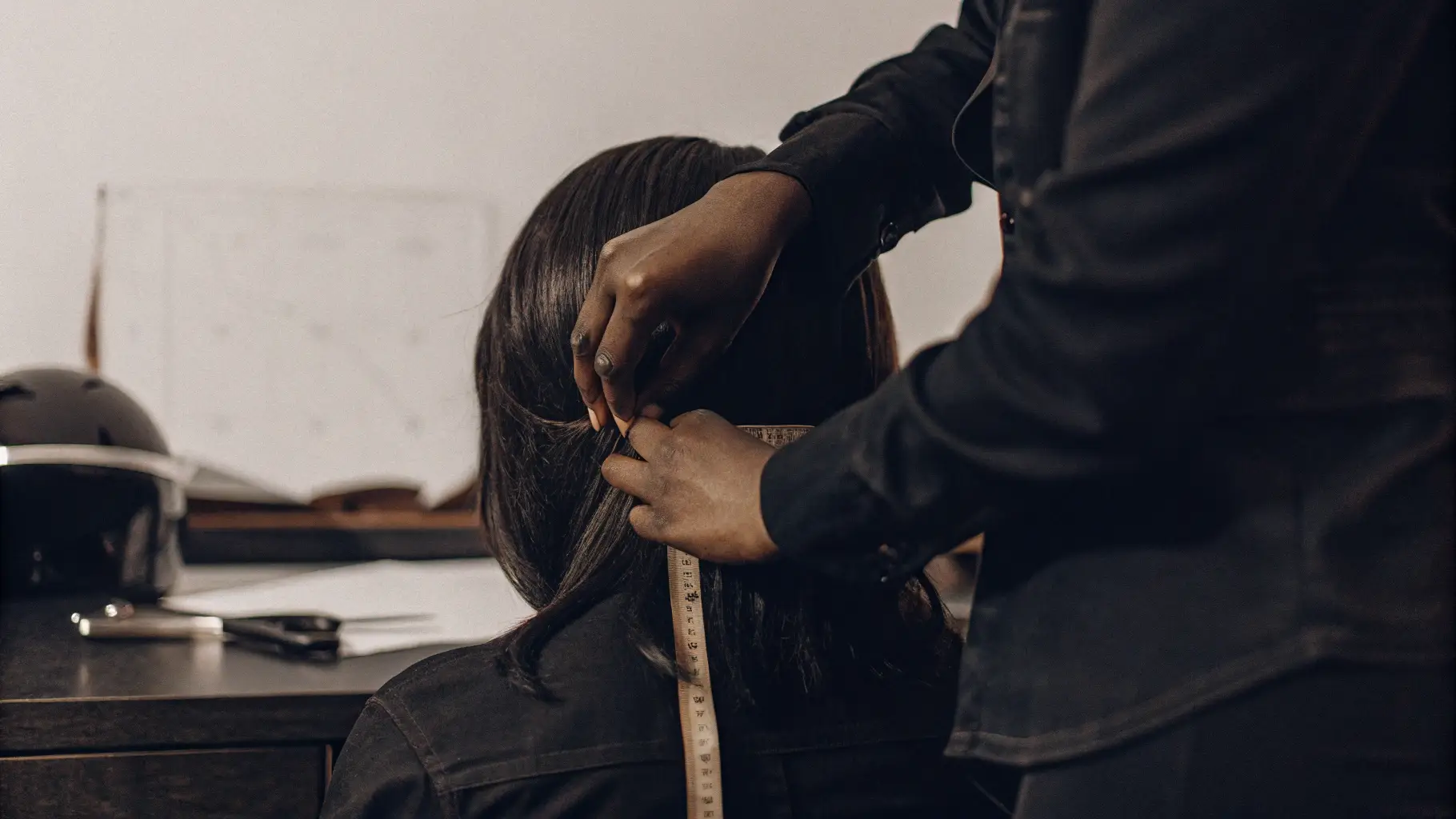
The first step is to measure your head circumference accurately. Use a flexible tape measure and place it around the widest part of your head, just above your eyebrows and ears. Note down the measurement in centimetres: this is your starting point when choosing the right helmet size.
Understanding different helmet shapes
Head shapes vary, and helmets are designed to accommodate these differences. The three most common shapes are:
- Round: An evenly round shape without pronounced contours.
- Oval: Slightly longer from front to back than from left to right.
- Elongated: Clearly longer from front to back than from left to right.
Know your own head shape so you can choose a helmet that follows your contours naturally.
Researching different helmet types
There are various helmet types, each with its own advantages and disadvantages:
- Full-face helmet: Offers maximum protection and is ideal for sporty riding.
- Modular helmet: Versatile, with a hinged chin guard, suitable for touring riders.
- Open-face helmet: Open field of view, popular with scooter riders and in the city.
Consider your riding style and conditions when choosing the right type. Some specialist shops offer in-depth advice on which helmet type best suits your needs.
By making these preparations, you are well equipped to start the search for your ideal motorcycle helmet. Take the time to explore different options and ask for professional advice if needed, so you can be sure of a safe and comfortable choice.
Step-by-step guide to trying on a motorcycle helmet
Now that you know why a well-fitting helmet is so important and you have made the necessary preparations, it's time to test the actual fit. Follow these steps for an optimal fit:
Choosing the right size based on your head circumference
Use your measured head circumference as a starting point. Choose a helmet that matches this size or is slightly smaller. A new helmet should fit snugly, as it will loosen a little over time.
Putting the helmet on: technique and points to watch
Take hold of the chin straps and carefully pull the helmet over your head. Move the helmet back and forth to position it properly. Make sure your ears sit comfortably in the ear recesses.
Checking for pressure points and freedom of movement
The helmet should feel even all over, with no painful pressure points. Move your head in all directions; the helmet should move with it without shifting. There should be no gap between your forehead and the liner.
Adjusting the chin strap
Fasten the chin strap and adjust it so that you can still fit two fingers between the strap and your chin. The strap should be tight enough to hold the helmet in place, but not so tight that it is uncomfortable.
By following these steps carefully, you increase your chances of finding a helmet that is not only safe, but also comfortable on long rides. Take the time to try different models and ask specialist shops for advice if needed.
How to recognise a perfectly fitting motorcycle helmet: tips and tests
A well-fitting motorcycle helmet should feel like a natural extension of your head. Here are a few signs to look out for to know whether your helmet fits properly:
How a well-fitting helmet feels
A perfectly fitting helmet hugs your head evenly, with no painful pressure points. You feel a light, even pressure across your whole head. Your cheeks should be gently compressed, but not so tightly that it is uncomfortable. The top of the helmet should sit firmly against the crown of your head, with no gap in between.
Common problems with a poor fit
Watch out for these warning signs:
- Pressure points that cause headaches
- A gap between your forehead and the helmet liner
- A helmet that turns or moves easily when you move your head
- Cheek pads that are too loose or too tight
- Pain in the ears caused by incorrect positioning in the ear recesses
Carrying out the 'shake test'
A simple but effective way to check the fit is the 'shake test':
- Put the helmet on and fasten the chin strap
- Shake your head vigorously from left to right and from front to back
- The helmet should move with your head without shifting
If the helmet shifts during this test, it is probably too big. Remember that a new helmet should fit snugly, as it will loosen slightly over time. If in doubt, ask an expert at a specialist shop for advice on the best fit and safety.
Common mistakes when choosing a motorcycle helmet
Even experienced riders can fall into a few common traps when choosing a motorcycle helmet. Let's look at the most common mistakes and how to avoid them.
Buying a helmet that is too big for comfort
Many riders make the mistake of choosing a helmet that is too roomy, assuming it will be more comfortable. In reality, a loose helmet can be dangerous:
- Reduced protection in an accident
- More wind noise and turbulence
- Greater risk of neck strain due to extra weight and movement
Remember: a new helmet should initially fit snugly, as it will loosen a little over time.
Ignoring the shape of your head
Not all heads are the same, and the same goes for helmets. Ignoring your head shape can lead to:
- Uncomfortable pressure points
- An unstable fit
- Reduced protection
Take the time to determine your head shape (round, oval or elongated) and choose a helmet that suits it.
Going only by brand or looks
While an attractive design is important, it should never come at the expense of safety and fit. Don't be dazzled by brand names or flashy graphics. Instead, focus on:
- Safety certifications
- Fit and comfort
- Features that suit your riding style
By avoiding these common mistakes, you increase your chances of finding a helmet that not only looks good, but also offers optimal protection. Take your time over your purchase and don't hesitate to ask specialist shops for advice to get the best match between you and your new helmet.
Tips for looking after your perfectly fitting helmet
A well-fitting motorcycle helmet is an investment in your safety and riding comfort. To make sure your helmet lasts and keeps performing at its best, regular maintenance is essential. Here are a few tips to keep your helmet in top condition:
Regular cleaning and care
Clean your helmet after every ride with a soft, damp cloth to remove insects and dirt. For a thorough clean, use mild soap and lukewarm water. Avoid harsh cleaning products that can damage the shell or liner. Always let the helmet air dry and never use direct heat sources.
Checking for wear and damage
Inspect your helmet regularly for signs of wear or damage. Pay particular attention to:
- Small cracks or dents in the outer shell
- Loose or worn inner linings
- Damaged or poorly working fastenings
If in doubt, have your helmet checked by a professional.
When it's time to replace your helmet
Even with good care, every helmet has a limited lifespan. Replace your helmet:
- After an accident, even if there is no visible damage
- When the fit is no longer optimal
- After 5-7 years, depending on use and the manufacturer's recommendations
By following these tips, you not only extend the life of your helmet, but also ensure optimal protection on every ride. Not sure about the condition of your helmet? Ask an expert for advice on replacement or maintenance.
Conclusion
Choosing the right motorcycle helmet is a crucial process that requires patience and care. Let's recap the key points:
- Measure your head circumference accurately and know your head shape
- Choose a helmet type that suits your riding style and conditions
- Make sure the fit is snug but comfortable, with no pressure points
- Do the 'shake test' to make sure the helmet is stable
- Give your helmet time to mould to your head during the break-in period
- Avoid common mistakes such as choosing a helmet that is too big
- Look after your helmet regularly for long-lasting protection
By following these guidelines, you invest not only in your safety, but also in your riding comfort and enjoyment for years to come.
Frequently asked questions
How often should I replace my motorcycle helmet?
Replace your helmet every 5-7 years, depending on use and the manufacturer's recommendations, or immediately after an accident.
Can I adjust my helmet if the fit isn't perfect?
Yes, many helmets have interchangeable liners and adjustable elements to optimise the fit.
Is a more expensive helmet always better?
Not necessarily. Focus on fit, safety certifications and features that suit your needs.
How do I know if my helmet is too loose?
If the helmet turns or moves easily during the 'shake test', it is probably too big.
Can I clean my helmet with ordinary household cleaners?
Only use mild soap and water. Harsh cleaning products can damage the helmet.
Is it normal for a new helmet to feel tight?
Yes, a new helmet should fit snugly at first because it will loosen slightly over time.
How important is the shape of my head when choosing a helmet?
Very important. The right head shape means a better fit and increased safety.
Can I buy a second-hand helmet?
We advise against it, because you don't know the helmet's history or any invisible damage it may have.
Was this article helpful?