Choosing a motorcycle helmet: which helmet suits your riding style?
Which type of helmet suits your riding style? The pros and cons of full-face, open-face, modular, motocross, allroad and children's helmets at a glance.
In this article12 sections
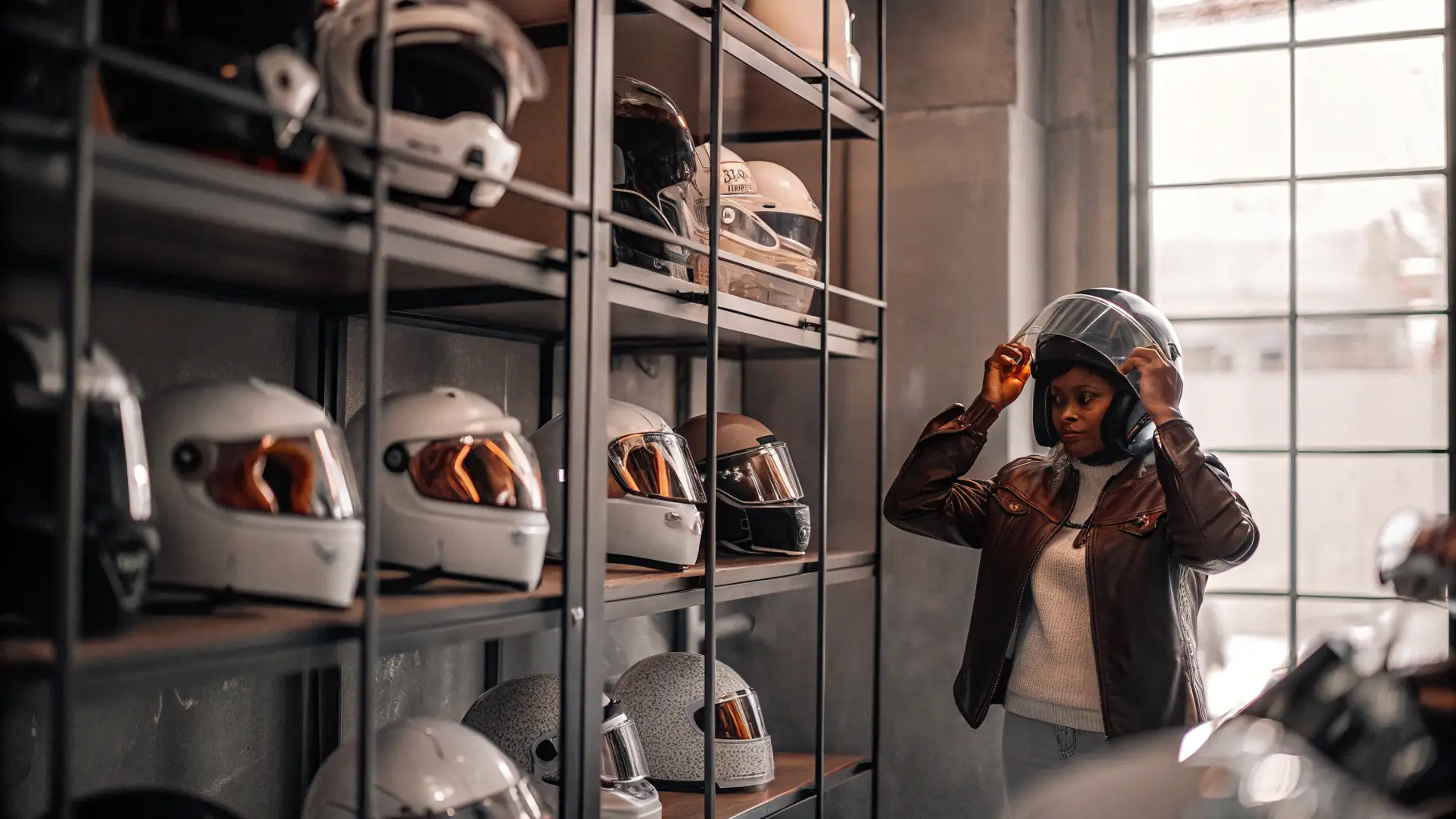
Choose your helmet based on where and how you ride. A full-face helmet gives the most complete protection for sport riding, touring and motorway use, an open-face helmet suits the city and short rides, a modular helmet suits touring and commuting, and a motocross or allroad helmet suits off-road riding. Always try the helmet on in a specialist shop to get the right fit.
Introduction
What is a motorcycle helmet?
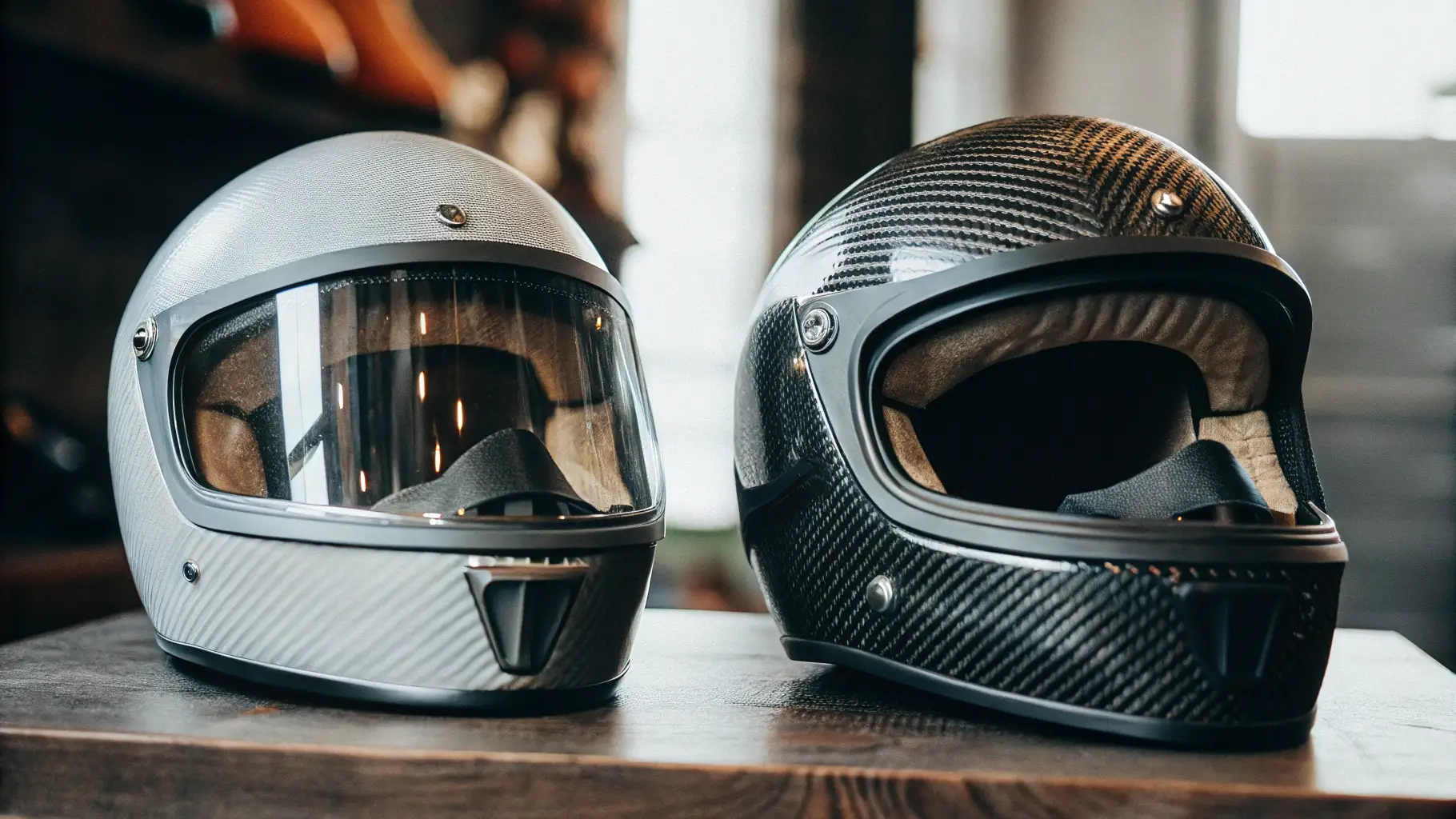
A motorcycle helmet is a protective device for the head, designed specially for motorcyclists. It protects you against impact, wind, rain, insects and other hazards on the road. Modern helmets are made from high-quality materials such as polycarbonate or composite fibres, which are light in weight but still offer maximum protection.
Read more about: polycarbonate and fibreglass helmets
Why the right choice matters
Choosing a motorcycle helmet is crucial for several reasons:
- Safety: A well-fitting helmet offers optimum protection in a fall or collision.
- Comfort: A comfortable helmet lets you concentrate on riding.
- Visibility: Some helmets offer a better field of view than others.
- Legal requirements: In the Netherlands, wearing an approved helmet is compulsory.
Types of motorcycle helmet
There are several types of motorcycle helmet, each with its own pros and cons:
- Full-face helmet: Offers complete protection for the whole head and face.
- Open-face helmet: Open at the front, ideal for the city.
- Modular helmet: Combines the advantages of full-face and open-face helmets.
- Motocross helmet: Designed specially for off-road riding.
- Allroad helmet: Suitable for both on-road and off-road use.
- Children's helmet: Designed specially for young passengers.
When choosing a helmet, it is important to take into account your riding style, the type of motorcycle you ride and your personal preferences. A visit to a specialist shop can help you find the perfect fit and a style that suits you.
Full-face helmet
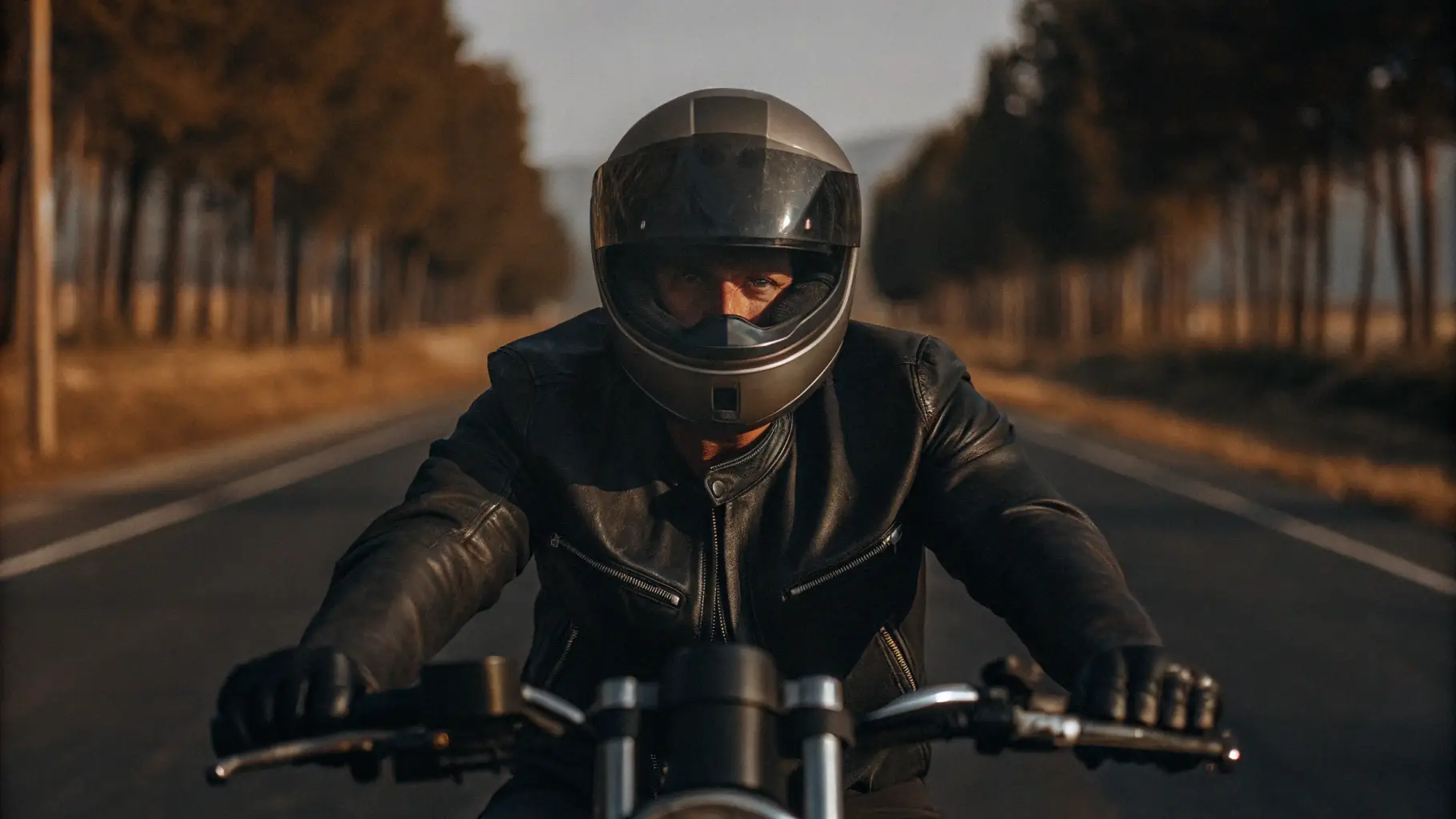
The full-face helmet is a popular choice among motorcyclists because of its excellent protection and aerodynamic properties. Let's look at the features, pros and cons of this type of helmet.
Features of the full-face helmet
A full-face helmet covers the whole head, including the face and chin. It has a fixed visor that protects your whole face against wind, rain and insects. Most modern full-face helmets are made from lightweight but strong materials such as polycarbonate or composite fibres.
Advantages of the full-face helmet
Complete protection
The full-face helmet offers the most complete protection of all helmet types. In a fall or collision, it protects not only your skull but also your face and jaw.
Aerodynamic design
Thanks to their streamlined shape, full-face helmets are very aerodynamic. This reduces wind noise and strain on your neck, especially at higher speeds.
Disadvantages of the full-face helmet
Can be warm in summer
Despite improved ventilation systems, full-face helmets can feel warm, especially on hot summer days or when riding slowly in town.
Can feel restrictive
Some riders find that a full-face helmet restricts their vision and hearing. However, this is a matter of getting used to it and choosing the right size.
Which riders is it suitable for?
Full-face helmets are ideal for sport riders, touring riders who cover long distances, and anyone who values maximum protection. They are particularly suitable for fast motorcycles and for riding on the motorway.
For riders looking for a high-quality full-face helmet, Vespucci offers a wide choice of top brands such as ROOF, Arai, Scorpion, Shark, AGV and Schuberth. With their expertise, they can help you find the perfect helmet to suit your riding style and safety requirements.
Read more: The best motorcycle helmets for city rides and commuting
Open-face helmet
The open-face helmet is a popular choice among motorcyclists looking for a lightweight option with a sense of freedom. Let's look at the features, pros and cons of this type of helmet.
Features of the open-face helmet
An open-face helmet covers only the top and sides of the head, leaving the face open. They often have a visor that protects your eyes from wind and insects. They are compact and light in weight, which makes them comfortable for shorter rides.
Advantages of the open-face helmet
Lightweight
Open-face helmets are considerably lighter than full-face helmets, which means less strain on your neck while riding. This makes them ideal for city rides and short trips.
Sense of freedom
Thanks to the open design, open-face helmets offer unobstructed vision and a direct feeling of connection with your surroundings. Riders feel less claustrophobic and can communicate with others more easily.
Disadvantages of the open-face helmet
Limited face protection
The biggest drawback of an open-face helmet is the reduced protection for the face and chin. In a fall or collision, there is a greater risk of injury to these areas.
Sensitivity to wind at high speeds
Without full face coverage, open-face helmets are more affected by wind, especially at higher speeds. This can lead to more wind noise and fatigue on longer rides.
Ideal for which type of rider?
Open-face helmets are perfect for city riders, motorcycle and scooter riders and fans of short, relaxed rides. They go well with retro-style motorcycles and are popular with riders who put comfort and style ahead of maximum protection.
For motorcyclists looking for a stylish open-face helmet with good protection, the market offers various options from renowned brands such as Arai, Momo, Vito and Scorpion. It is always advisable to try a helmet on and get advice from a specialist shop to find the perfect fit.
Modular helmet
The modular helmet is a versatile option that combines the advantages of full-face and open-face helmets. This helmet offers flexibility for different riding conditions and personal preferences.
What is a modular helmet?
A modular helmet has a chin section that flips up. This allows riders to use the helmet as a full-face helmet for maximum protection or as an open-face helmet for more comfort and ventilation during stops or at lower speeds.
Advantages of the modular helmet
Versatility
The modular helmet offers the best of both worlds: full protection when needed and the freedom of an open field of view when the situation allows.
Flip-up chin section
Being able to talk, drink or get a breath of fresh air without taking your helmet off makes the modular helmet particularly practical.
Suitable for glasses wearers
Many modular helmets are designed with glasses wearers in mind, making it easier to put glasses on and take them off.
Disadvantages of the modular helmet
Slightly heavier
Because of the mechanism of the flip-up chin section, modular helmets are often slightly heavier than traditional full-face helmets.
Possibly more wind noise
The extra seams and joins can sometimes lead to more wind noise at higher speeds.
Which riding styles is it suitable for?
Modular helmets are ideal for touring riders, commuting and all-round motorcyclists who value flexibility. They are perfect for long rides where comfort and versatility are important.
Read more: Top 10 premium helmets for the discerning motorcyclist
Motocross helmets
Motocross helmets are designed for adventurous motorcyclists who love riding off-road. These helmets have unique features that make them perfect for rough terrain.
Features of motocross helmets
Motocross helmets have a distinctive design with an extended chin guard and a large opening for the face. They are usually lighter than road helmets and have a peak to prevent glare.
Advantages of motocross helmets
Designed for off-road use
The extended chin guard offers extra protection against flying stones and branches. The large face opening gives a wide field of view, which is crucial when navigating unpredictable terrain.
Good ventilation
Motocross helmets have excellent ventilation systems to keep riders cool during intensive off-road sessions.
Protection against mud and branches
The peak and large face opening work together to keep mud and branches away from the rider's face.
Disadvantages of motocross helmets
Less suitable for road use
Because of their design, motocross helmets are less aerodynamic and can be noisier at higher speeds on the road.
Limited noise reduction
The large openings for ventilation and the field of view result in less sound insulation compared with road helmets.
When should you choose a motocross helmet?
Choose a motocross helmet if you mainly ride off-road or take part in motocross events. They are ideal for riders who put ventilation and protection against terrain-specific hazards ahead of motorway comfort.
Allroad helmets
Allroad helmets are a versatile option for motorcyclists who enjoy adventures both on the road and off-road. These hybrid helmets combine the best features of road and motocross helmets, which makes them perfect for adventurous riders. A good example is the Arai Tour X5.
Advantages of allroad helmets
Versatile use
Allroad helmets are designed to perform both on the road and off-road. They offer a good balance of protection, comfort and functionality for different riding conditions.
Good protection
These helmets offer excellent protection against impact, wind and debris. They often have an extended chin guard, similar to motocross helmets, for extra safety.
Comfortable for long rides
Allroad helmets are designed with comfort in mind, which makes them ideal for long adventure trips. They usually have good ventilation and are lighter than traditional road helmets.
Disadvantages of allroad helmets
Possibly heavier than other helmets
Although they are lighter than some road helmets, allroad helmets can be heavier than specialist off-road helmets because of their extra features.
Less aerodynamic at high speeds
Because their design is aimed at versatility, allroad helmets may be less aerodynamic than pure road helmets at high speeds on the motorway.
Who is an allroad helmet ideal for?
Allroad helmets are perfect for adventurous motorcyclists who like to switch between tarmac and unsurfaced roads. They are ideal for owners of allroad motorcycles or for riders who take long trips across varied terrain.
Children's helmets
Children's helmets are an essential part of the safety gear for young passengers. They are designed specially to offer optimum protection for children's smaller heads.
Features of children's helmets
Children's helmets are distinguished by their:
- Smaller sizes and lower weight
- Adapted fit for children's heads
- Cheerful designs and colours
- Extra padding for comfort and protection
Advantages of children's helmets
Designed for smaller heads
Children's helmets are made specifically to fit children's smaller skulls well, which gives better protection in a fall or collision.
Meet safety standards
These helmets have to meet the same strict safety standards as adult helmets, so parents can be reassured about the protection they offer.
Disadvantages of children's helmets
Need replacing quickly as children grow
Children grow quickly, which means the helmet has to be replaced regularly to keep a good fit. This can be a considerable investment for parents.
What to look for when choosing a children's helmet
- Right size: Measure the child's head circumference and choose a helmet that fits comfortably but not too loosely.
- Weight: Choose a light helmet to minimise strain on the neck.
- Ventilation: Make sure there is enough air circulation to prevent overheating.
- Visor: A good visor protects against wind, insects and UV rays.
- Fastening: Choose a fastening that is easy to operate and that the child can manage alone.
When choosing a children's helmet, it is important to put safety and comfort first. A well-fitting, good-quality helmet means young passengers can enjoy motorcycle rides safely.
Choosing the right helmet
There are several factors to consider when choosing the right motorcycle helmet. First, the type of motorcycle you ride matters. A sports bike, for example, calls for a different helmet from a touring bike. Your riding style also plays a part: are you a fast rider or more of a cruiser?
Fit and size
The fit and size of your helmet are crucial for your safety. A helmet that is too loose can shift while you ride or even come off in an accident. A helmet that is too tight can cause headaches and reduce your concentration.
Tips for trying on a helmet
- Measure your head circumference just above your eyebrows.
- Try different sizes and brands.
- Wear the helmet in the shop for 15-20 minutes to find any pressure points.
- Check that the helmet doesn't move when you shake your head.
Other things to consider
Besides safety, there are other factors that affect your riding comfort:
- Noise level: A quiet helmet reduces fatigue on long rides.
- Ventilation: Good air circulation keeps your head cool.
- Visor options: Consider a tinted or photochromic visor for different lighting conditions.
By weighing up all these aspects carefully, you will find a helmet that is not only safe but also fits your personal riding style and needs perfectly.
Maintenance and care of your motorcycle helmet
A well-maintained motorcycle helmet is essential for your safety and comfort while riding. Let's look at some important aspects of helmet maintenance.
Why good helmet maintenance matters
Your helmet protects your head in an accident, so it is crucial to keep it in top condition. Regular maintenance means your helmet keeps performing at its best and lasts longer.
Tips for cleaning your helmet
- Use only mild soap and water on the outside
- Clean the visor carefully with a microfibre cloth
- Let the inside air dry after use
- Avoid harsh cleaning products that can damage the helmet
When should you replace your helmet?
- After an accident, even if there is no visible damage
- When the helmet is older than 5 years, even if it is rarely used
- If you notice that the fit is no longer optimal
Storing your motorcycle helmet
- Keep your helmet in a cool, dry place
- Avoid direct sunlight to prevent discolouration and ageing of the material
- Use a helmet bag for extra protection during transport
By following these tips, you make sure your helmet stays in top condition and protects you optimally on every ride.
Tip: Take a look at the collection of cleaning products
Conclusion
Now that we have covered all the different types of motorcycle helmet, it is time to sum up the key points:
- There are various helmet types available, each with its own pros and cons
- The choice of helmet depends on your riding style, type of motorcycle and personal preferences
- Safety and comfort are the most important factors when choosing a helmet
- Regular maintenance and timely replacement are essential for optimum protection
Choosing the right motorcycle helmet is a crucial decision that strongly affects your riding experience and safety. Take the time to consider different options and try helmets on before you make a choice. Remember that the best helmet is the one that is comfortable, suits your riding style and meets the highest safety standards.
Frequently asked questions
How often should I replace my motorcycle helmet?
Replace your helmet every 5 years or straight after an accident, even if there is no visible damage.
Can I buy a used helmet?
We advise against buying used helmets, as you don't know their history or any invisible damage they may have.
How do I know if a helmet fits properly?
A well-fitting helmet feels snug but comfortable, with no pressure points. It shouldn't move when you shake your head.
Are more expensive helmets always better?
Not necessarily. Choose a helmet that meets the safety standards and suits your needs and budget.
Can I customise or paint my helmet?
We advise against customising or painting your helmet, as this can compromise the integrity of the material.
How do I clean my helmet visor?
Only use mild soap and water or a dedicated visor cleaner. Avoid harsh cleaning products.
Is a tinted visor allowed at night?
No, in the Netherlands it is not allowed to ride at night with a tinted visor.
How important is ventilation in a helmet?
Good ventilation is crucial for comfort, especially on warm days or long rides. It also helps to keep the visor clear.
Can I install communication systems in any helmet?
Not all helmets are suitable for communication systems. Check compatibility before you buy a system.
What is the difference between ECE and DOT approval?
ECE is the European standard, while DOT is the American one. In the Netherlands, your helmet must be ECE approved.
Was this article helpful?