Polycarbonate or fibreglass helmet: which material protects you best?
The difference between polycarbonate and fibreglass motorcycle helmets in protection, weight, comfort and lifespan, and which material suits your riding style.
In this article12 sections
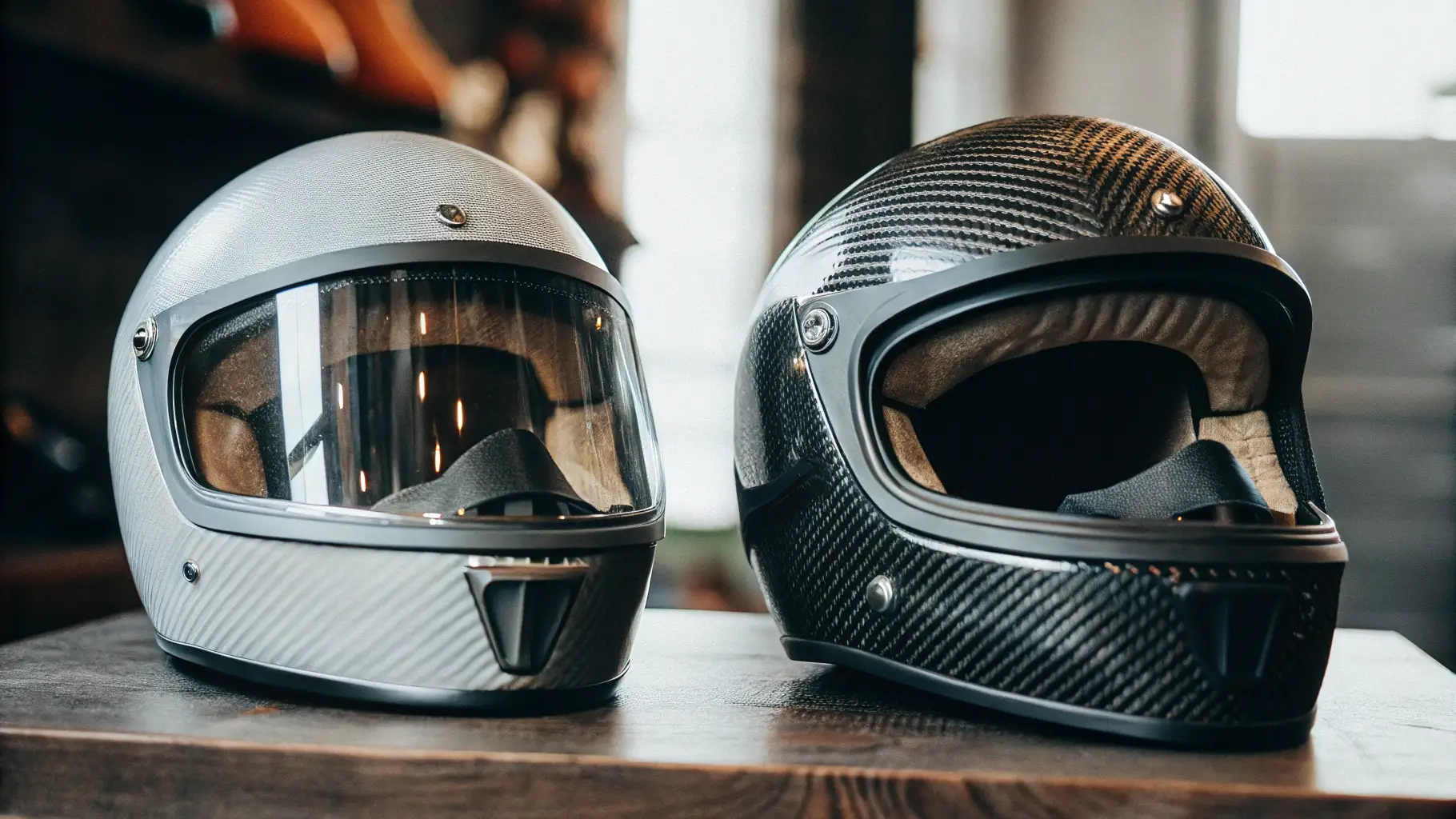
Both materials protect well, as long as the helmet meets the applicable safety standard and fits properly. Polycarbonate is more flexible, absorbs multiple light impacts better and is more affordable. Fibreglass is stiffer and usually lighter. It absorbs a single heavy impact better, which makes it a good match for long rides and high speeds.
Introduction
What are polycarbonate and fibreglass?
Polycarbonate is a thermoplastic polymer known for its strength and toughness. In helmets, it is used for its ability to absorb and spread impact. Fibreglass, on the other hand, is a composite material made up of thin glass fibres embedded in a resin matrix. It is known for its high strength-to-weight ratio.
Why it matters for rider safety
The choice between polycarbonate and fibreglass is more than a matter of personal preference. It has a direct effect on your safety on the road. Both materials offer excellent protection, but they do so in different ways:
- Polycarbonate helmets are generally more flexible and can better withstand multiple impacts.
- Fibreglass helmets are stiffer and can better absorb a single, heavy impact.
Understanding these properties is essential for making a well-informed choice that suits your riding style and needs. In the next sections we take a closer look at the specific pros and cons of both materials, so you can make the best decision for your safety on the road.
The basics of helmet materials
To choose the right helmet, it is essential to understand the basics of helmet materials. Let's look at the properties of polycarbonate and fibreglass, the two most widely used materials in modern helmets.
Properties of polycarbonate
Polycarbonate helmets are known for their strength and flexibility. This material can deform on impact and then return to its original shape. This property makes polycarbonate helmets particularly good at absorbing multiple light impacts.
Another advantage of polycarbonate is its cost-effectiveness. The production process is relatively cheap, which results in affordable helmets without compromising on safety. This makes polycarbonate a popular choice for new riders or anyone looking for a budget-friendly option.
Characteristics of fibreglass
Fibreglass helmets stand out for being lightweight and durable. They are often lighter than their polycarbonate counterparts, which can improve comfort on long rides. In addition, fibreglass helmets generally last longer, provided they are properly looked after.
One of the most striking properties of fibreglass is its superior impact absorption. In a heavy impact, the material spreads the energy over a larger area, which reduces the risk of serious injury. This makes fibreglass helmets particularly suitable for high-speed riders or people who regularly cover long distances.
Both materials have their own strengths, and it is important to consider your riding style and needs when choosing a helmet. Whether you choose polycarbonate or fibreglass, make sure the helmet meets the applicable safety standards for optimal protection.
Safety aspects of polycarbonate helmets
Polycarbonate helmets offer a number of important safety benefits that make them a popular choice among motorcyclists. Let's look at the specific aspects that contribute to their protective qualities.
Shock absorption and energy distribution
One of the most striking features of polycarbonate helmets is their ability to absorb shocks and spread impact energy efficiently. In a collision, the polycarbonate material deforms slightly, so the force of the impact is spread over a larger area. This significantly reduces the risk of serious head injury.
Resistance to penetration
Polycarbonate is known for its high resistance to penetration. This means sharp objects or debris are less likely to get through the helmet shell. This property is crucial for protecting the rider from potentially life-threatening injuries in accidents.
Durability under repeated impacts
Another advantage of polycarbonate helmets is their ability to withstand multiple light impacts without losing their protective properties. This makes them particularly suitable for everyday use or for riders who more often experience minor tumbles or collisions.
It is important to remember that, whatever the material, a helmet must always meet the applicable safety standards. Regular inspection and replacement after an accident or after the usage period recommended by the manufacturer remain essential for optimal protection.
Safety benefits of fibreglass helmets
Fibreglass helmets offer a number of unique safety benefits that make them a popular choice among experienced motorcyclists. Let's look at the specific aspects that contribute to their superior protection.
Superior impact protection
Fibreglass helmets are known for their excellent ability to absorb heavy impacts. In a collision, the material spreads the energy over a larger area, which significantly reduces the force exerted on the head. This can make the difference between minor and serious injury in an accident.
Improved energy dissipation
The unique structure of fibreglass provides efficient energy dissipation. When the helmet takes a hit, the glass fibres spread the impact across the whole surface of the helmet. This reduces the risk of localised pressure points that can lead to serious brain injury.
Long-lasting structural integrity
Fibreglass helmets retain their structural integrity better after an impact than many other materials. This means they keep their protective properties for longer, even after minor collisions or tumbles. For riders who regularly cover long distances or ride in challenging conditions, this can be a crucial quality.
These safety benefits make fibreglass helmets an excellent choice for motorcyclists who prioritise maximum protection. However, it is important to remember that the best helmet is always the one that fits well and meets the applicable safety standards.
Comfort and fit
When it comes to comfort and fit, both polycarbonate and fibreglass helmets have an important role to play. Let's look at the differences between these materials and how they can affect your riding experience.
Differences in weight
Fibreglass helmets generally have the upper hand when it comes to weight. They are often lighter than their polycarbonate counterparts, which is especially noticeable on longer rides. A lighter helmet can significantly reduce fatigue in your neck and shoulders, so you can ride comfortably for longer.
Effect on neck strain and riding comfort
The lower weight of fibreglass helmets translates directly into less strain on your neck. This can be particularly beneficial for riders who suffer from neck problems or who regularly cover long distances. Polycarbonate helmets are admittedly slightly heavier, but they often offer a good balance between weight and protection.
Ventilation
When it comes to ventilation, both materials perform well, provided the helmet is well designed. However, fibreglass is easier to mould into more complex shapes, which can result in helmets with a more advanced ventilation system. This can create a cooler, drier environment inside the helmet, which significantly improves comfort on warm days.
Whatever the material, it is crucial to choose a helmet that suits the shape of your head. A well-fitting helmet, whether made of polycarbonate or fibreglass, will always be more comfortable than a poorly fitting helmet of any material.
Durability and lifespan
When it comes to the durability and lifespan of helmets, both polycarbonate and fibreglass play an important role. Let's look at the different aspects that affect the lifespan of these materials.
Resistance to UV radiation and the elements
Both materials offer good protection against UV radiation and the elements, but in different ways. Polycarbonate helmets are naturally UV-resistant, which means they are less likely to fade or become brittle from sunlight. Fibreglass helmets are often treated with a special coating to provide UV protection. This coating can wear over time, so regular maintenance is needed to keep the protection up to standard.
Ageing of polycarbonate vs. fibreglass
The ageing process of these materials differs considerably. Polycarbonate tends to become slightly more flexible over time, which can affect impact absorption. Fibreglass keeps its structural integrity for longer, but can develop small hairline cracks in extreme conditions.
Maintenance and care for optimal protection
Good maintenance is essential for both types of helmet. Cleaning regularly with mild soap and water helps to remove dirt and sweat that can damage the materials. With fibreglass helmets, it is important to regularly inspect the outer layer for minor damage. For polycarbonate helmets, it is advisable to keep them away from extreme heat, as this can deform the material.
Whatever the material, it is crucial to replace your helmet after an accident or after the usage period recommended by the manufacturer. This ensures you are always optimally protected while riding.
Cost considerations
When choosing a helmet, it is important to look not only at the safety aspects, but also at the cost. Let's take a closer look at the financial side of polycarbonate and fibreglass helmets.
Initial purchase cost
Polycarbonate helmets are generally cheaper than their fibreglass counterparts. This is due to the lower production costs of polycarbonate. For new riders or people on a limited budget, a polycarbonate helmet can be an attractive option without compromising on safety.
Fibreglass helmets are usually more expensive, but often offer more advanced features and longer-lasting ease of use. They are often seen as an investment in comfort and durability.
Long-term cost-effectiveness
Although fibreglass helmets have a higher purchase price, they often last longer. They retain their structural integrity better, which can mean you replace them less often. Polycarbonate helmets may need replacing more often, especially with intensive use.
Value for money
When weighing up the costs, it is crucial to look at the overall value. A more expensive fibreglass helmet can be more cost-effective in the long run thanks to its longer lifespan and better protection. On the other hand, polycarbonate helmets offer excellent protection for their price, which makes them a smart choice for many riders.
Remember that the best helmet is always the one that suits your specific needs and budget, without compromising on safety. Whether you choose polycarbonate or fibreglass, make sure your helmet meets the applicable safety standards.
Regulations and certifications
When it comes to the safety of motorcyclists, regulations and certifications play a crucial role. Let's look at the most important aspects in this area for polycarbonate and fibreglass helmets.
European safety standards for motorcycle helmets
In Europe, all motorcycle helmets must meet the ECE 22.05 or the newer ECE 22.06 standard. These standards set strict requirements for helmet performance in terms of impact, penetration and other safety criteria. Both polycarbonate and fibreglass helmets can meet these standards, provided they are correctly designed and manufactured.
Performance in safety tests
Polycarbonate and fibreglass helmets perform differently in safety tests:
- Polycarbonate helmets often score well with repeated impacts because of their flexibility.
- Fibreglass helmets excel in tests with heavy, single impacts thanks to their superior energy absorption.
The importance of the ECE mark
The ECE mark is essential when choosing a helmet. This mark guarantees that the helmet meets European safety standards. When buying a new helmet, whether it is polycarbonate or fibreglass, it is crucial to check that this mark is present. This gives you a helmet that meets the highest safety standards, whatever the material.
Making the right choice
When choosing between a polycarbonate or fibreglass helmet, there are several factors to consider. It is important to take your riding style and how often you ride into account. Frequent riders or those who regularly cover long distances can benefit from the lighter fibreglass helmets because of the greater comfort during prolonged use. On the other hand, occasional riders or city riders may get more value from the durability and cost-effectiveness of polycarbonate helmets.
Riding style and frequency of use
Your riding style plays a crucial role in the choice. Sporty riders who reach higher speeds can benefit from the superior impact protection of fibreglass. For daily commuters who are more often exposed to minor collisions or tumbles, the flexibility of polycarbonate can be a better option.
Personal fit and comfort
Ultimately, the best helmet is the one that fits the shape of your head perfectly and feels comfortable, whatever the material. A well-fitting helmet not only improves safety, but also makes for a more pleasant ride. Take the time to try on different models and watch out for pressure points or loose spots.
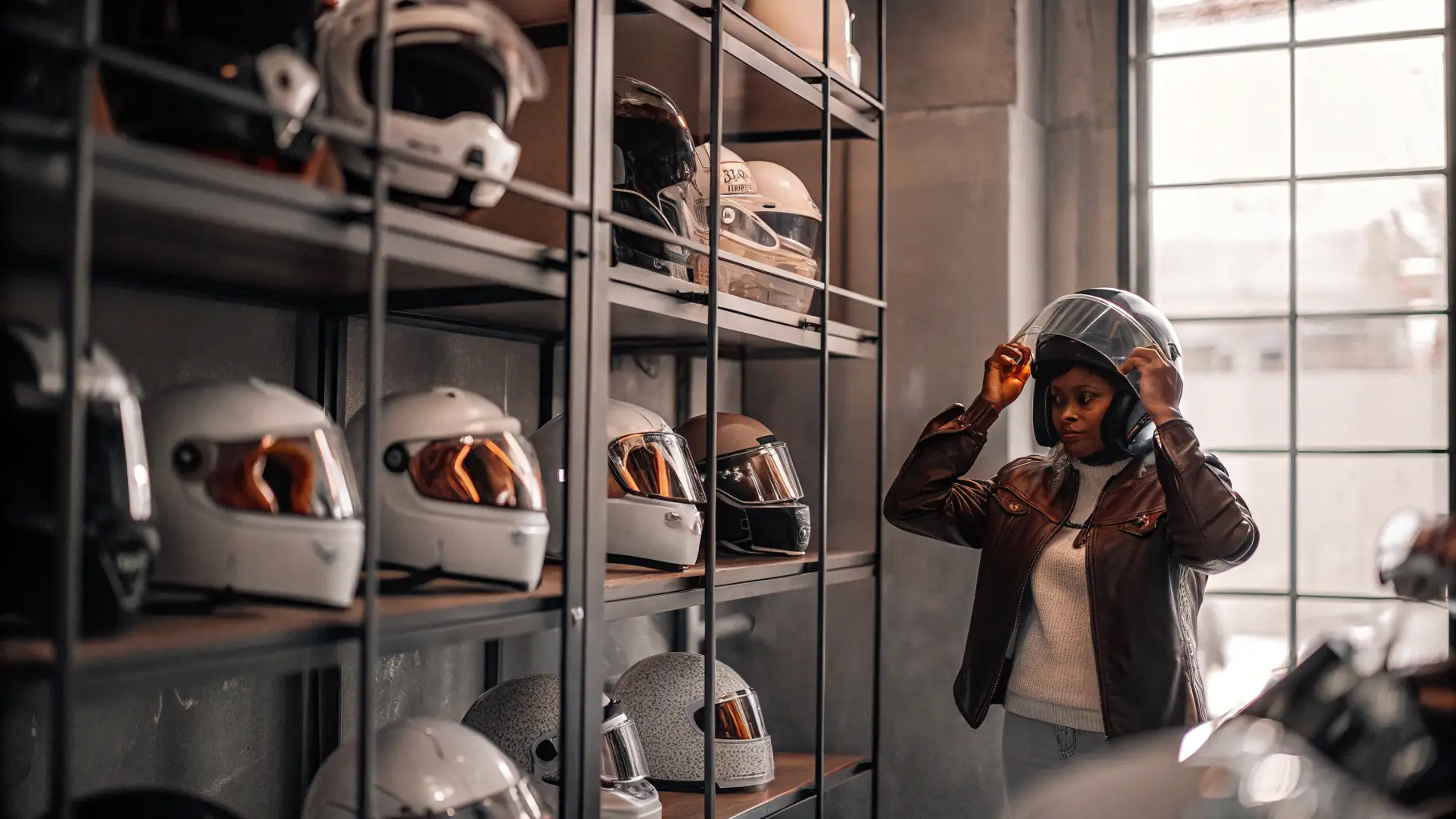
When making your choice, consider visiting a specialist shop where you can get expert advice and try out different options. That way you will find the helmet that best suits your needs, whether it is polycarbonate or fibreglass.
Conclusion
After analysing the pros and cons of polycarbonate and fibreglass helmets, we can draw some important conclusions:
- Both materials offer excellent protection, but in different ways
- Polycarbonate helmets are cost-effective and good at withstanding light impacts
- Fibreglass helmets excel in energy absorption in heavy impacts and are lighter in weight
- The choice depends on your personal riding style, budget and comfort preferences
- Whatever the material, a good fit and ECE certification are crucial for optimal safety
If you are still undecided between polycarbonate and fibreglass, Vespucci offers a wide selection of both materials. Their knowledgeable advisers can help you make the right choice for your specific needs and budget.
Frequently asked questions
Which helmet material is the safest?
Both materials are safe as long as they meet the ECE standards. The choice depends on your specific needs and riding style.
How long does a motorcycle helmet last?
On average 5-7 years, depending on use and care. Replace the helmet straight after an accident.
Are more expensive helmets always better?
Not necessarily. Quality and safety depend more on fit and certification than on price.
Can I repair a fibreglass helmet myself?
No, always leave repairs to professionals, or replace the helmet if it is damaged.
What is the best way to look after my helmet?
Clean it regularly with mild soap and water, and avoid chemicals and extreme temperatures.
Is a heavier helmet safer?
Not necessarily. A lighter helmet can be more comfortable on long rides, which indirectly helps safety.
How do I know if my helmet is still safe?
Check it regularly for visible damage, fit and comfort. If in doubt, have the helmet inspected by an expert.
Was this article helpful?