ECE 22.06: The new safety standard for motorcycle helmets explained
What changes with ECE 22.06 compared with ECE 22.05, which new tests helmets must pass and what this means for your choice of helmet.

In this article9 sections
ECE 22.06 is the new European safety standard for motorcycle helmets and replaces ECE 22.05. Helmets are tested at higher impact speeds (8.2 m/s instead of 7.5 m/s), for rotational impact and with stricter visor tests. Modular helmets are tested in both the open and closed position. An ECE 22.05 helmet remains legal for the time being.
What is the ECE 22.06 safety standard?
ECE 22.06 is the latest European safety standard for motorcycle helmets. It replaces the previous ECE 22.05 standard and introduces stricter tests and criteria that helmets must meet. The aim? To protect riders even better against the risks of the road.
Why is this new standard so important?
The new standard responds to the changing conditions and technologies in motorcycling. Helmets are now tested at higher impact speeds, and different types of collision are taken into account. Tests are also carried out for protection against rotation of the head, a crucial factor in accidents.
Impact on your choice of helmet
As a rider, this means you will soon be able to choose from helmets that meet even stricter safety requirements. Although ECE 22.05 helmets are still legal, you will gradually see more ECE 22.06 certified options appearing in the shops. These helmets not only offer improved protection, but may also include new innovations that improve your riding experience.
When choosing a new helmet, it is wise to look for ECE 22.06 certification. This guarantees that your helmet meets the latest safety standards, so you can hit the road with peace of mind.
The ECE 22.06 standard explained
The new ECE 22.06 standard brings significant improvements to rider safety. Let's look at the key differences and what they mean for you.
Key differences between ECE 22.05 and ECE 22.06
ECE 22.06 introduces stricter requirements and more extensive tests. One of the most striking changes is the addition of tests for modular helmets in both the open and closed position. This ensures that these popular helmet types are safe in every configuration.
New test standards and procedures
The new standard includes a wider range of tests:
- Higher impact speeds: Tests are now carried out at speeds of up to 8.2 m/s, instead of 7.5 m/s.
- Rotational impact tests: These simulate realistic collision scenarios better.
- Improved visor test: Including a test for optical quality and a more demanding projectile test.
Improved safety aspects
ECE 22.06 leads to helmets that offer better protection against:
- Brain injury caused by rotation
- Impact damage at higher speeds
- Injuries from small, fast projectiles
These improvements mean riders can rely on helmets that perform even better in critical situations. When choosing a new helmet, it is wise to look for ECE 22.06 certification for optimal protection.
Benefits of the new safety standard
The new ECE 22.06 standard brings a range of benefits that significantly improve riders' safety and comfort. Let's look at the main advantages of this new standard.
Increased protection in different types of impact
One of the most striking improvements is the broader protection against various types of impact. ECE 22.06 introduces tests that reflect realistic accident scenarios more closely. Helmets are now tested at higher impact speeds, and protection against rotation of the head is specifically assessed. This means that as a rider you can count on a helmet that protects you better in different types of collision.
Improved visibility and comfort
As well as safety, the new standard also focuses on making helmets easier to use. The visor test has been tightened, resulting in better optical quality. This gives you a clearer view while riding, especially in challenging weather conditions. In addition, modular helmets are now tested in both the open and closed position, which ensures comfort and safety in every configuration.
Long-term effects on motorcycle safety
In the long term, the introduction of ECE 22.06 will have a positive impact on the overall safety of riders. As more manufacturers adapt their helmets to these stricter requirements, the average protection that helmets offer will increase significantly. This may lead to a reduction in serious head injuries in motorcycle accidents, and so improve the safety of motorcycling as a whole.
By choosing a helmet that meets the ECE 22.06 standard, you are not only investing in your own safety, but also contributing to a safer future for all riders.
How does ECE 22.06 affect your choice of helmet?
The new ECE 22.06 standard has a considerable influence on your choice of helmet. Let's look at the main things to consider when selecting a new helmet.
New features to look out for
When choosing a helmet that meets ECE 22.06, you can expect improved safety features. Look out in particular for:
- Improved impact protection at higher speeds
- Better protection against rotational impacts
- Advanced visor tests for optimal visibility
- Extensive tests for modular helmets in both the open and closed position
Price implications of the new standard
The stricter requirements of ECE 22.06 may lead to a slight price increase for helmets. This is because of the extra research and development costs manufacturers have to bear. Even so, you don't necessarily have to spend a fortune on a safe helmet. Many brands already offer affordable options that meet the new standard.
Transition period: what does this mean for existing helmets?
Good news if you have recently bought a helmet: there is a transition period. ECE 22.05 helmets remain legal and safe to use for a few more years. However, new helmets that come onto the market after June 2023 must meet the ECE 22.06 standard. When you next buy a helmet, it is wise to choose an ECE 22.06 certified one for optimal protection.
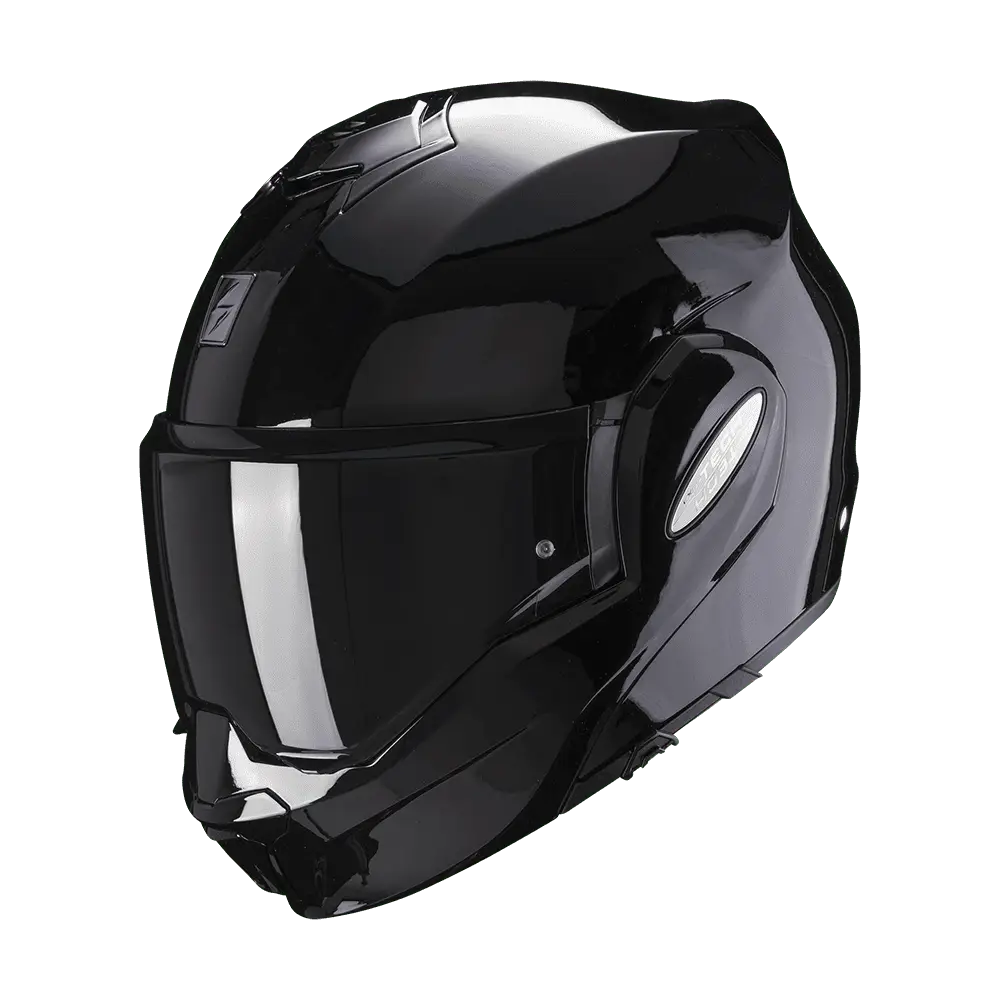
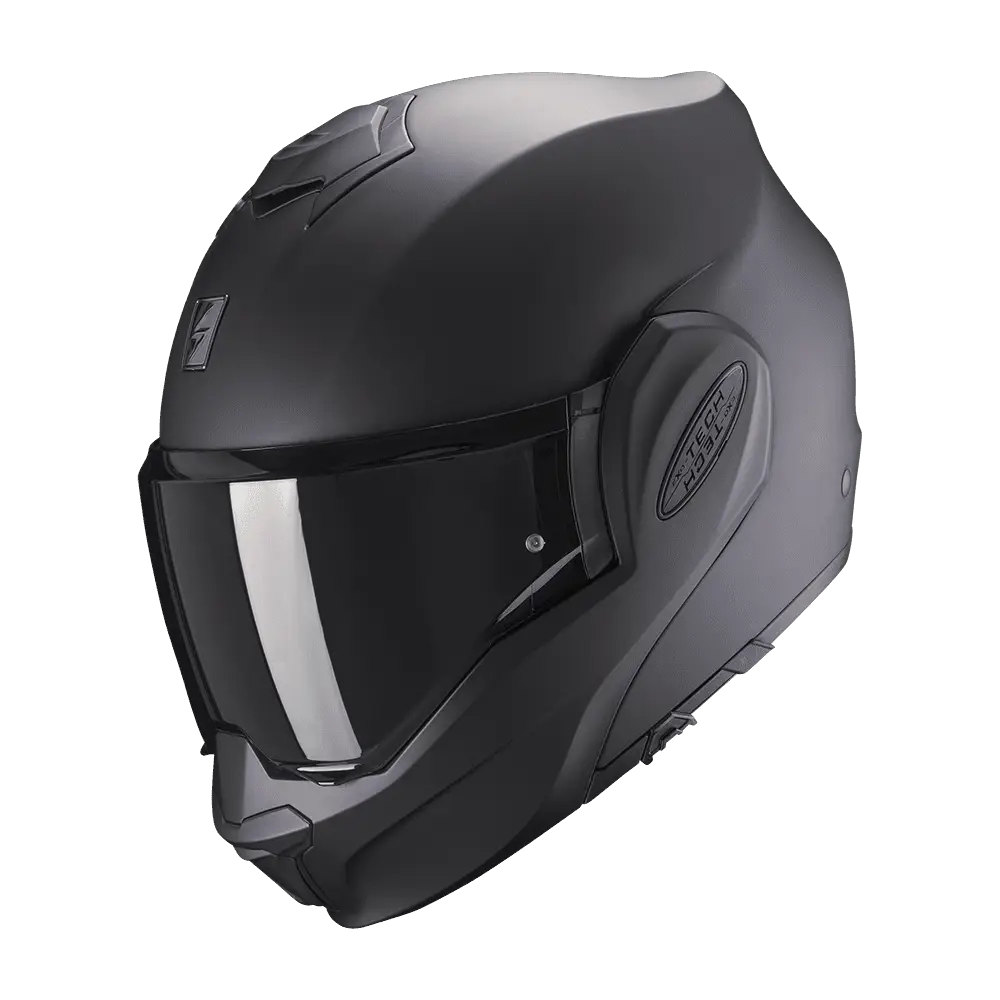
ECE 22.06 helmets we recommend
All HelmetsAll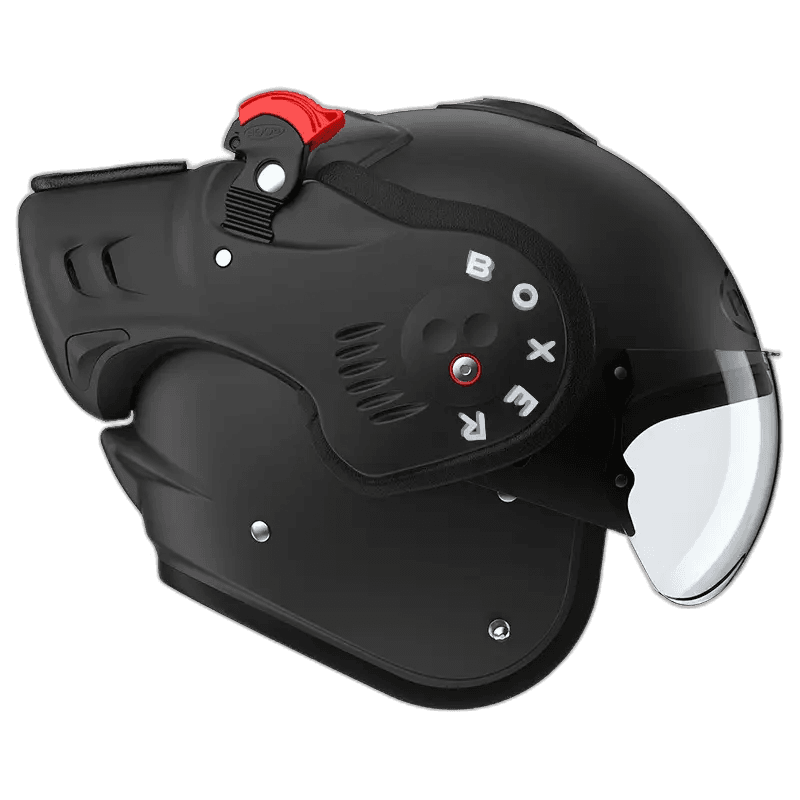
Different helmet types and ECE 22.06
The new ECE 22.06 standard affects not only the general safety of motorcycle helmets, but also the specific characteristics of different helmet types. Let's look at how the standard affects each type.
Full-face helmets and the new standard
Full-face helmets have traditionally offered the most protection, and ECE 22.06 improves this even further. The new rotational impact tests are particularly beneficial for this type of helmet, as they improve protection against brain injury in different types of collision. Manufacturers now have to use innovative materials and designs to meet the stricter requirements.
Modular helmets and flip-up models
For modular helmets, also known as flip-up helmets, ECE 22.06 brings an important change. These helmets are now tested in both the closed and open position, which ensures improved safety in every situation of use. This is good news for riders who appreciate the versatility of a modular helmet but don't want to compromise on safety.
Open-face helmets: what changes?
Although open-face helmets offer less protection than full-face or modular helmets, they too must meet the new standard. The improved visor tests and higher impact speeds mean that even these lighter helmet types reach a higher level of safety. Riders who prefer the freedom of an open-face helmet can now count on better protection without giving up style and comfort.
When choosing a new helmet, whatever the type, it is wise to look for ECE 22.06 certification. That way you can be sure your helmet meets the latest safety requirements, to suit your riding style and preferences.
ECE 22.06 and technological innovations
ECE 22.06 not only improves safety, but also drives technological innovation in the world of helmets. These developments make riding not only safer, but also more comfortable and more advanced.
Integration of communication systems
With the new standard, helmets are being designed with better options for integrating communication systems. This means you can more easily fit high-quality intercom systems without compromising your helmet's safety. Manufacturers such as Cardo and Sena are working on smarter ways to build in speakers and microphones, so that they fit perfectly within the helmet's safety structure.
Improved ventilation systems
ECE 22.06 has also led to innovations in ventilation. Manufacturers are now developing more advanced ventilation systems that optimise airflow without weakening the structural integrity of the helmet. This results in helmets that are cooler and more comfortable on long rides, without compromising on safety.
Smart helmets and the new safety standard
The rise of 'smart' helmets goes hand in hand with the new safety standard. These helmets integrate technologies such as head-up displays and rear-view cameras, while still meeting the strict ECE 22.06 requirements. This opens up a world of possibilities for riders looking for advanced features without compromising on safety.
Thanks to this technological progress, riders can now enjoy helmets that not only meet the highest safety standards, but also improve their overall riding experience. When choosing a new helmet, it is worth looking at models that combine these innovative features with ECE 22.06 certification for optimal safety and comfort.
Tips for choosing an ECE 22.06 certified helmet
Now that you know what ECE 22.06 involves, it is time to look at how to choose the right helmet that meets this new standard. Here are a few tips to help you make an informed choice.
What should you look for when trying one on?
When trying on an ECE 22.06 certified helmet, comfort is crucial. Look out for the following points:
- Make sure the helmet fits snugly but comfortably, with no pressure points
- Check that the helmet doesn't move when you shake your head
- Pay attention to the fit around your temples and cheeks
- Wear the helmet for at least 15 minutes to find any discomfort
Important features for comfort and safety
ECE 22.06 helmets often offer advanced features:
- Improved shock absorption for higher impact speeds
- Advanced ventilation systems for optimal comfort
- Optimised aerodynamics for less strain on your neck
- Improved visors with higher optical quality
How do you recognise an ECE 22.06 certified helmet?
Look for the ECE 22.06 label on the inside of the helmet or on the chin strap. This label contains specific information about the certification and guarantees that the helmet meets the latest safety standards.
By following these tips, you can choose a helmet that not only meets the strictest safety requirements, but also suits your riding style and comfort needs perfectly. Remember that a good fit is essential for optimal protection, so take the time to try on different models before making a choice.
By answering these questions, we hope you have gained a better insight into what ECE 22.06 means for you. Remember that the ultimate goal is to improve your safety on the bike, so that you can enjoy your rides with peace of mind.
Conclusion
The new ECE 22.06 safety standard for motorcycle helmets is an important step forward in protecting riders. Let's go over the key points once more:
- ECE 22.06 introduces stricter tests and criteria for motorcycle helmets
- Helmets are now tested at higher impact speeds and for different types of collision
- There is special attention to protection against rotation of the head
- Improved visor tests ensure better visibility
- Modular helmets are tested in both the open and closed position
When choosing a new helmet, it is vital to put safety first. Although ECE 22.05 helmets are still legal, ECE 22.06 certified helmets offer the most advanced protection. It is worth the investment for your safety on the road.
Looking to the future, developments in helmet safety are not standing still. We can expect future standards to focus even more on advanced materials, smart technologies and improved ergonomics. This will lead to helmets that are not only safer, but also more comfortable and better suited to the needs of modern riders.
Curious about more information on motorcycle helmets, maintenance tips or choosing the right size? Take a look at our other blogs! Here you will find a wealth of knowledge and advice to help you further.
Would you rather talk to an expert directly? You can! Our team is ready to answer your questions. Send us a message on WhatsApp or email us at info@vespuccinederland.nl. We're happy to help!
Choose wisely, ride safely!
Frequently asked questions
Do I need to replace my current helmet straight away?
No, that's not necessary. ECE 22.05 helmets remain legal and safe to use for a few more years. There is a transition period in which both standards exist side by side. However, when you buy your next helmet, it is a good idea to choose an ECE 22.06 certified model for optimal protection.
Are ECE 22.06 helmets more expensive?
In general, you can expect ECE 22.06 helmets to cost slightly more than their predecessors. This is because of the extra research and development costs manufacturers have to take on to meet the stricter requirements. Even so, there are already affordable options on the market that meet the new standard. It is important to make your safety a priority when choosing a helmet.
Do these standards also apply in other countries?
The ECE standard is primarily a European one, but it is also recognised and accepted in many countries outside Europe. Some countries, such as the United States, have their own standards (such as DOT). It is always wise to check the local regulations if you plan to ride abroad.
How do I recognise an ECE 22.06 certified helmet?
Look for the ECE 22.06 label on the inside of the helmet or on the chin strap.
Do these standards also apply outside Europe?
The ECE standard is recognised in many countries outside Europe, but always check the local regulations if you're riding abroad.
Are all helmet types available with ECE 22.06 certification?
Yes, full-face, modular and open-face helmets are all available with ECE 22.06 certification.
Can I upgrade my old helmet to the ECE 22.06 standard?
No, it isn't possible to upgrade an existing helmet. You will need to buy a new, certified helmet.
How long will ECE 22.05 helmets remain legal?
ECE 22.05 helmets will remain legal for a few more years, but new helmets that come onto the market after June 2023 must meet the ECE 22.06 standard.
Was this article helpful?