Full-face or modular helmet: which suits your riding style?
The differences between a full-face helmet and a modular helmet in protection, comfort, weight and use, and which type suits your rides.
In this article11 sections
Choose a full-face helmet if you do a lot of long rides and motorway riding: it offers the most protection, is quieter, more aerodynamic and usually a little lighter. A modular helmet with a flip-up chin bar is handier in town, for short stops and for a quick chat. It protects almost as well, but the hinge is a potential weak point.
Introduction
What are full-face helmets and modular helmets?
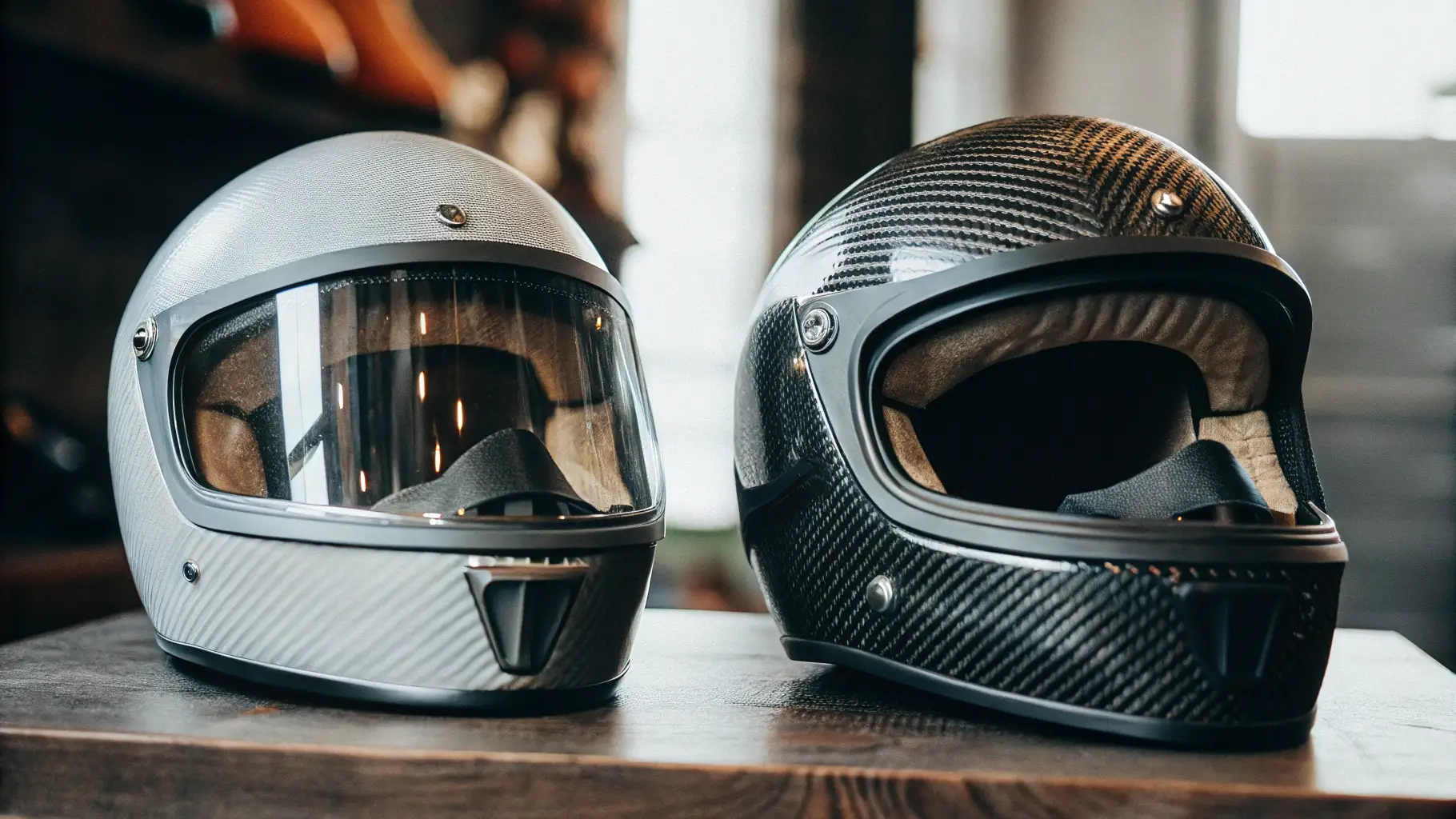
Full-face helmets give full protection for your whole head, including your face and chin. They are made in one piece and have a fixed visor. Modular helmets, also known as flip-up helmets, combine the advantages of full-face helmets and open-face helmets. They have a chin section that flips up, so you can open the helmet without taking it off completely.
The importance of choosing the right helmet
The choice between a full-face helmet and a modular helmet is crucial for riders for several reasons:
- Safety: Both helmet types offer excellent protection, but there are subtle differences in the level of protection they offer in different types of impact.
- Comfort: Your riding style and the length of your rides determine which type of helmet will be the most comfortable for you.
- Versatility: Modular helmets offer more flexibility, while full-face helmets are often more aerodynamic.
- Personal preference: Some riders prefer the feel of a fully closed helmet, while others appreciate the openness of a modular helmet.
By understanding the pros and cons of both helmet types, you can make an informed choice that suits your specific needs and riding style. In the following sections we will look more closely at the features of full-face helmets and modular helmets, so you can find the perfect helmet for your motorcycle adventures.
Features of full-face helmets
Full-face helmets are the ultimate choice for riders who want maximum protection and performance. Let's take a look at the key features of these helmets:
Full face coverage and protection
Full-face helmets offer unrivalled protection for your whole head, including your face and chin. This is crucial in a fall or collision, as it protects your most vulnerable areas against impact and abrasion.
Aerodynamic advantages
The streamlined shape of full-face helmets reduces air resistance, which is especially useful at higher speeds. This not only means less fatigue in your neck, but also improves the stability of your head while riding.
Sound insulation
Thanks to their closed design, full-face helmets offer excellent sound insulation. This reduces wind noise and engine noise, making your ride more comfortable and helping you concentrate better on the road.
Safety aspects
Besides physical protection, full-face helmets also offer other safety benefits. They keep out rain, insects and stones, which improves your vision and reduces distraction. In addition, many modern full-face helmets have advanced ventilation systems to prevent misting up and keep your head cool.
For riders who put safety and performance first, full-face helmets are often the best choice. Brands such as Scorpion, Shark, AGV, HJC and Arai, available from specialist retailers, offer top-quality full-face helmets that meet the highest safety standards.
Features of modular helmets
Modular helmets offer a unique combination of functionality and comfort that appeals to many riders. Let's take a look at the key features of these versatile helmets.
Flip-up chin bar
The most striking feature of a modular helmet is the flip-up chin bar. This allows you to open the helmet without taking it off completely. It's handy for short stops, for getting some fresh air or for quickly communicating with other road users. It's also useful when you're riding at a speed below 60 km/h.
Versatility in use
Modular helmets are true all-rounders. They give you the protection of a full-face helmet while riding, but give you the freedom of an open-face helmet when you flip the chin bar back. This flexibility makes them ideal for both city rides and longer touring trips.
Ventilation features
Modern modular helmets have advanced ventilation systems. With adjustable air inlets and outlets you can regulate the airflow, which helps prevent misting up and keeps the temperature comfortable. Modular helmets also often have integrated drop-down sun visors.
Communication options
Many modular helmets are designed with built-in space for communication systems. This makes it easy to install intercom systems or Bluetooth devices, so you stay connected during your ride. Examples are a Cardo, EXO-Com or a Sena system.
With these features, modular helmets offer an excellent balance of protection, comfort and functionality. They are a popular choice for riders who want the best of both worlds in their helmet.
Safety considerations
When it comes to riding a motorcycle, safety comes first. Let's take a look at the key safety aspects of full-face helmets and modular helmets.
Comparing levels of protection
Full-face helmets generally offer the highest level of protection. They cover the whole head, including the chin, which is crucial in frontal impacts. Modular helmets come close, but have a potential weak point at the hinge of the flip-up section.
Impact on field of vision
When it comes to field of vision, modular helmets have a slight advantage. With the chin bar up they offer a wider view, which can be useful in city traffic. Full-face helmets restrict your view slightly more, but modern models are optimised for the widest possible field of vision.
Behaviour in a collision
In a collision, full-face helmets generally perform better thanks to their one-piece construction. In extreme cases modular helmets can flip open, but the chance of this is minimal with quality helmets.
Certifications and safety standards
Both full-face and modular helmets must meet strict European safety standards (ECE 22.05 or (ECE 22.06). When buying, always check for this certification to be sure of a safe helmet.
Whatever you choose, invest in a helmet from a reputable brand. Quality brands such as Shark, AGV, HJC, Scorpion, ROOF, Arai and Schuberth offer top models in both categories that meet the highest safety requirements.
Comfort and fit
When it comes to comfort and fit, there are some important differences between full-face helmets and modular helmets that you should consider when choosing the perfect helmet for your riding style.
Differences in weight
Full-face helmets are generally a little lighter than modular helmets. This is because modular helmets have extra parts for the flip-up mechanism. The difference in weight can be noticeable on long rides, where a lighter helmet puts less strain on your neck and shoulders.
Pressure points and long-term wearing comfort
Both helmet types are designed for optimum comfort, but the experience can differ. Full-face helmets often have a more even pressure distribution, while modular helmets can sometimes have extra pressure points around the hinge mechanism. For longer rides, a well-fitting full-face helmet may feel more comfortable.
Adjustability and sizing
Modern helmets offer excellent adjustment options. Many models have replaceable liners and adjustable cheek pads. Modular helmets can sometimes have an advantage in adjustability, because you can flip up the chin section for a better fit.
Effect on neck strain
The aerodynamics of the helmet play a big role in neck strain. Full-face helmets are often more aerodynamic, which can mean less fatigue on long rides. Modular helmets can catch a little more wind, but they do offer the flexibility to open the visor at lower speeds or at stops.
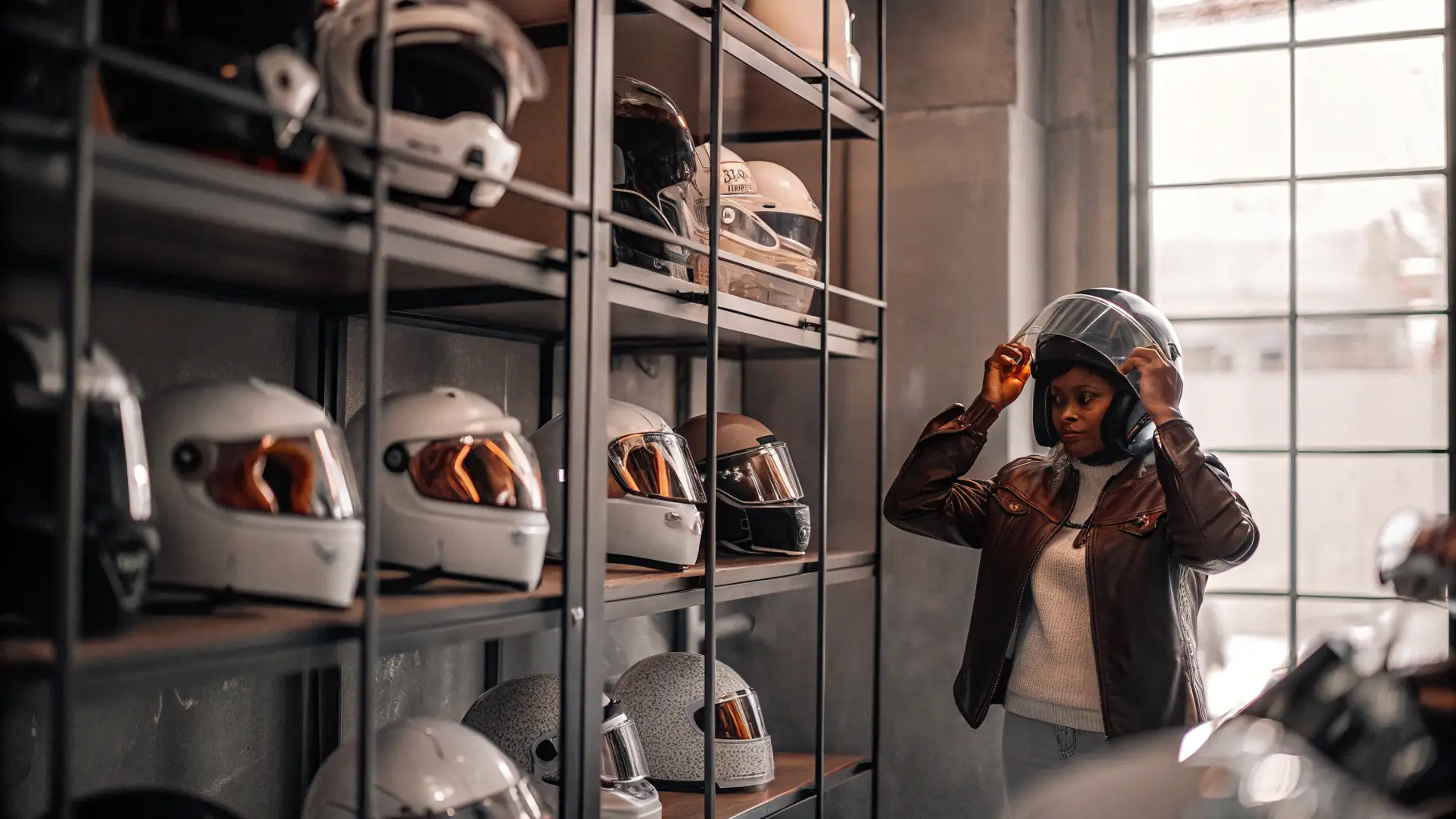
When choosing your helmet, it is essential to try on and compare different models. Every head is unique, so what is perfect for one person may be less comfortable for another. Take the time to find the right helmet for your head and riding style.
Usage scenarios
As a rider, it is important to know which type of helmet best suits your specific riding style and usage scenarios. Let's look at different situations and how full-face and modular helmets perform in them.
Long-distance rides vs. city traffic
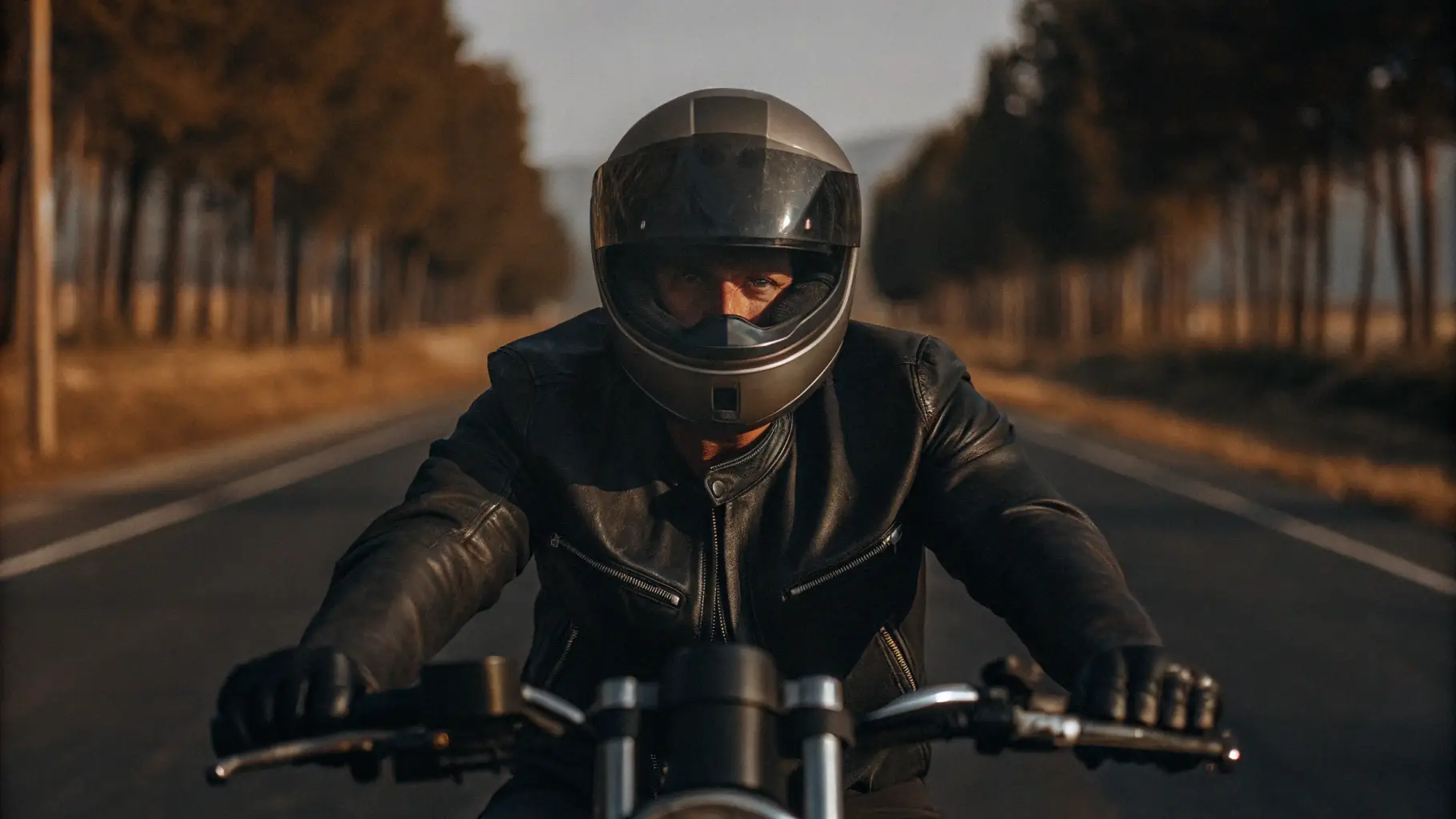
For long-distance rides, full-face helmets often offer more comfort thanks to their better aerodynamics and sound insulation. They reduce fatigue on hours-long motorway rides. Modular helmets, on the other hand, are ideal for city traffic, where you often have to stop and communicate. The flip-up visor comes in handy then.
Touring vs. sport riding
Touring riders appreciate the versatility of modular helmets, especially on multi-day trips with varying weather conditions. For sport riders who reach high speeds, a full-face helmet is often the best choice thanks to its superior aerodynamics and protection.
Commuting
For daily commuting, modular helmets offer a good balance. You can easily communicate at traffic lights or petrol stations without taking the helmet off, while you have full protection while riding.
Seasonal use
In summer a modular helmet can be more pleasant thanks to the extra ventilation options. Full-face helmets offer better protection against cold and rain, which makes them more suitable for year-round use.
Whatever you choose, make sure your helmet fits well and meets the safety standards. A visit to a specialist shop can help you find the perfect helmet for your riding style.
Maintenance and lifespan
The maintenance and lifespan of your motorcycle helmet are crucial things to consider when choosing between a full-face helmet and a modular helmet. Let's look at the key points:
Cleaning methods
Both helmet types need regular cleaning, but modular helmets may need a little more attention because of their more complex construction. For both full-face helmets and modular helmets there are cleaning products for the inner lining, such as a product from the brand Muc-off.
Replacement intervals
It is generally recommended to replace your helmet every 5-7 years, regardless of the type. However, modular helmets may show wear a little sooner because of their moving parts. It is important to check the condition of your helmet regularly, especially after a fall or collision. After a hard knock it is important to replace the helmet, even if there is no visible damage. The protective inner layer may have suffered invisible damage, meaning the helmet no longer protects optimally in the next impact.
Storage options
Full-face helmets are often easier to store because of their compact shape. Modular helmets take up a little more space, but have the advantage that they can be stored with the chin bar flipped up, which can be handy in tight spaces.
Long-term costs
Although the purchase price of modular helmets is often higher, the long-term maintenance costs can be comparable to those of full-face helmets. It is important to invest in a quality helmet that meets the safety standards and suits your riding style. In general, maintenance costs are minimal. Think of products from Muc-off.
By looking after your helmet well, you not only extend its lifespan, but also ensure optimum protection while riding. Whatever you choose, regular maintenance and timely replacement are essential for your safety on the road.
Personal preferences and riding style
When choosing the perfect helmet, personal preferences and riding style play a crucial role. Let's look at the factors that can influence your decision.
The influence of riding experience on helmet choice
New riders often choose a full-face helmet because of the extra protection and the feeling of safety. More experienced riders sometimes lean towards modular helmets because of the comfort and versatility. Your experience also determines how well you can judge the pros and cons of each helmet type.
Many riders end up buying both a full-face helmet and a modular helmet. This gives them the flexibility to use the right helmet depending on the type of ride and the conditions.
Aesthetic considerations
Let's be honest: looks matter. Some riders swear by the sleek look of a full-face helmet, while others prefer the modern appearance of a modular helmet. Choose a helmet that is not only safe, but that you also feel good in.
Adaptability to different weather conditions
Modular helmets offer more flexibility in changeable weather. You can easily flip up the visor and chin bar for fresh air on warm days. Full-face helmets, on the other hand, offer better protection against rain and cold. With a full-face helmet you can also raise the visor for fresh air.
Compatibility with other riding gear
Think about how your helmet goes with your other gear. Some riders find that modular helmets work better with glasses, while full-face helmets often fit better with race suits for sport riding.
Ultimately, the best helmet is the one that best suits your personal style and needs. Take the time to try different options and choose a helmet you feel comfortable and safe in, whatever the type.
Conclusion
Now that we have discussed the different aspects of full-face helmets and modular helmets, it's time to take stock. Here are the key points to remember when choosing the perfect helmet for your riding style:
- Full-face helmets offer maximum protection and are ideal for sport riding and long distances.
- Modular helmets offer more flexibility and are perfect for city traffic and touring riders.
- Both helmet types must meet the ECE 22.05 or ECE 22.05 safety standard.
- Comfort and fit are crucial; take the time to try on different models.
- Consider your riding style, usage scenarios and personal preferences when making your choice.
The most important advice? Try both types before you make a decision. Every head is different, and what is perfect for one person may be less comfortable for another. Visit our shop, where you can try on and compare different models. That way you will find the helmet that suits you best, whether it is a full-face or a modular helmet.
Frequently asked questions
Which is safer: a full-face or a modular helmet?
Both types offer excellent protection, but full-face helmets have a slight edge because of their one-piece construction.
Can I use a modular helmet for sporty riding?
Although it is possible, full-face helmets are often better suited to sporty riding because of their superior aerodynamics.
How long does a motorcycle helmet last?
On average 5-7 years, depending on use and care. Always replace your helmet after a fall or collision.
Are modular helmets heavier than full-face helmets?
Generally, yes, because of the extra mechanism for the flip-up chin bar.
Can I install an intercom in both types of helmet?
Yes, but modular helmets often offer more space and are sometimes designed specifically for easy intercom installation.
Which type of helmet is better for glasses wearers?
Modular helmets can be more convenient for glasses wearers, because you can flip the helmet up without taking your glasses off.
Is there a price difference between full-face and modular helmets?
Modular helmets are often slightly more expensive because of their more complex construction, but there are exceptions, such as an AGV Pista.
Which type of helmet is best for beginners?
Many beginners choose full-face helmets because of the extra protection, but the choice depends on your personal preference and riding style.
Was this article helpful?