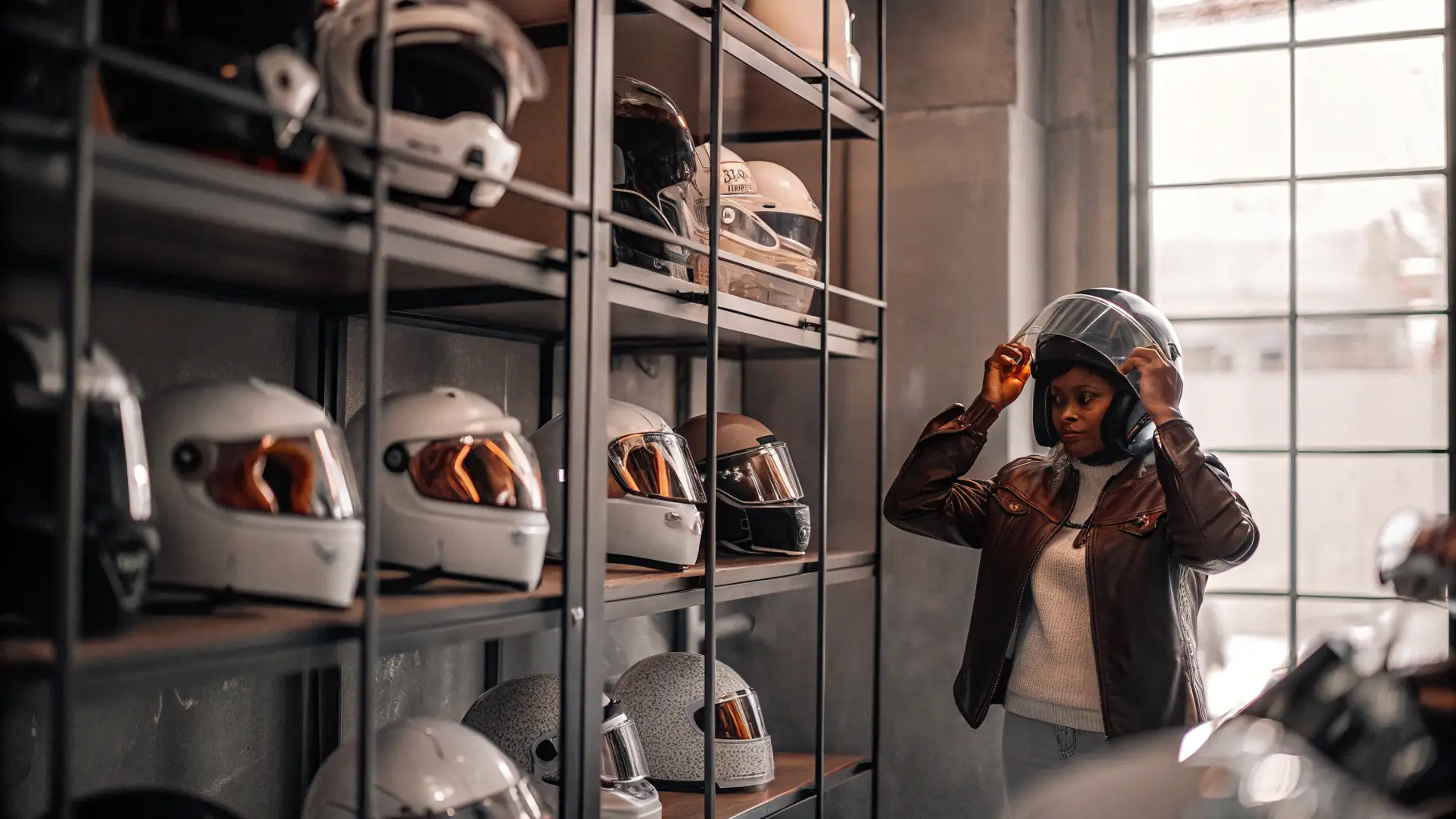
Helmet weight and comfort: the impact on long motorcycle rides
Why a heavy helmet tires your neck on long rides, and how weight, weight distribution, fit and ventilation together determine your comfort.

In this article11 sections
- Short answer
- Introduction
- How helmet weight affects riding comfort
- Neck strain on long rides
- Materials and technologies for lightweight helmets
- Choosing the right helmet for long rides
- Ergonomic aspects of helmet design
- Tips for reducing neck strain on long rides
- The impact of helmet weight on different riding styles
- Conclusion
- Frequently asked questions
On long rides you really notice helmet weight: a heavy helmet keeps your neck muscles working constantly, especially at high speed and in the wind. This can lead to fatigue, neck pain, headaches and reduced concentration. Besides weight, weight distribution, fit, aerodynamics and ventilation also determine how comfortable a helmet still feels after hours in the saddle.
Introduction
How helmet weight affects comfort
A helmet is more than just protection; it is an essential part of your gear that you wear for hours at a time. Over time, a heavy helmet can lead to fatigue, neck pain and even headaches. This is because your neck muscles have to work constantly to support the extra weight, especially at high speeds and in the wind.
Neck strain and long rides
On long motorcycle rides, the effect of a heavy helmet becomes even more noticeable. The constant pressure on your neck can lead to:
- Early fatigue
- Reduced concentration
- Restricted freedom of movement
All of this can not only take the fun out of riding, but also put your safety at risk.
Choosing the right helmet for comfort
When choosing a helmet for long rides, it is crucial to look at the weight, but also at other factors that contribute to comfort:
- Aerodynamics: A well-designed helmet reduces wind resistance and strain on your neck.
- Fit: A helmet that fits snugly spreads the weight more evenly.
- Ventilation: Good airflow keeps your head cool and reduces fatigue.
By taking these aspects into account, you can find a helmet that is not only light, but also comfortable for those long, adventurous rides.
How helmet weight affects riding comfort
The weight of your helmet plays a crucial role in your riding comfort, especially on long trips. A light helmet can make the difference between an enjoyable ride and an exhausting experience.
Impact on overall comfort
Over time, a heavy helmet can lead to neck pain, headaches and early fatigue. This is because your neck muscles have to work constantly to support the extra weight, which is especially noticeable at high speeds and in windy conditions.
Weight distribution in helmet design
Not only the total weight matters, but also how it is distributed. A well-designed helmet spreads the weight evenly across your head, which reduces pressure on specific points. This gives a more comfortable fit and less strain on your neck and shoulders.
Light vs. heavy helmets
Light helmets generally offer more comfort on long rides:
- Less strain on your neck
- Improved freedom of movement
- Reduced fatigue
Heavy helmets, on the other hand, can offer extra protection, but at the expense of comfort. It is important to find a balance between safety and wearing comfort.
When choosing a helmet for long rides, it is wise to compare several models and look at the weight in combination with other comfort factors such as ventilation and fit. That way you will find the perfect helmet that is both safe and comfortable for those long, adventurous trips.
Neck strain on long rides
The impact of helmet weight on your neck during long motorcycle rides is an important aspect that is often overlooked. Let's take a look at the anatomy of the neck and how it is affected by the weight of your helmet.
Neck anatomy and helmet weight
The neck consists of seven vertebrae, muscles, ligaments and nerves that work together to support and move your head. When you wear a helmet, extra weight is added to your head, which makes your neck muscles work harder. This effect is amplified on long rides.
Short vs. long rides: the difference in neck strain
On short rides you may notice little of a heavier helmet. But on long trips the extra weight can lead to:
- Increasing fatigue in the neck muscles
- Reduced freedom of movement
- Possible headaches or neck pain
Symptoms of excessive neck strain
Watch out for the following signs, which can indicate excessive neck strain caused by a heavy helmet:
- Stiffness in the neck and shoulders
- Tingling or numbness in the arms
- Headaches, especially at the back of the head
- Reduced concentration while riding
Choosing a lightweight helmet can significantly reduce these symptoms and improve your riding comfort. Brands such as Shark and AGV, for example, offer helmets that are both light and safe, so you can ride for longer and more comfortably.
Materials and technologies for lightweight helmets
The world of motorcycle helmets is constantly evolving, with manufacturers always looking for ways to make helmets lighter and more comfortable without compromising on safety. Let's take a look at the latest developments in this area.
Innovative materials in modern helmet production
Modern helmets use advanced materials to save weight:
- Carbon fibre: Extremely strong and light, ideal for premium helmets.
- Kevlar: Offers excellent impact protection at minimal weight.
- Polycarbonate: A lightweight plastic that withstands impact well.
These materials mean helmets keep getting lighter without giving up any safety.
Balancing safety and weight in helmet design
Helmet designers face the challenge of finding the perfect balance between weight and protection. Techniques such as:
- Multi-density EPS foam
- Advanced shell constructions
- Integrated reinforcements
ensure that modern helmets offer optimum protection at minimal weight.
Future developments in lightweight helmet materials
The future of helmet technology looks promising:
- Graphene: This super-light and strong material could make helmets even lighter.
- Smart materials: Helmets that change shape on impact for better protection.
- 3D-printed structures: For custom-made, lightweight helmet interiors.
These innovations promise riders even more comfortable and safer helmets for long rides. When choosing a new helmet, it is wise to look out for the use of these advanced materials for optimum comfort on your adventures on the road.
Choosing the right helmet for long rides
When choosing a helmet for long rides, there are several important factors to consider. First of all, weight is crucial: a lighter helmet significantly reduces the strain on your neck and shoulders. Also look at the aerodynamics, because a streamlined helmet reduces wind resistance and neck strain while riding.
Adjusting for optimum comfort
To make your helmet fit perfectly, you can often customise it:
- Adjustable cheek pads for a snug fit
- Adjustable inner lining for a perfect fit
- Adjustable visor for optimum vision in different conditions
Personal preference and fit
Ultimately, choosing a helmet is very personal. What is comfortable for one rider can feel unpleasant to another. Take the time to try on several models and look out for:
- Pressure points: There should be no sore spots
- Freedom of movement: You should be able to move your head easily
- Stability: The helmet should sit firmly, even at high speeds
Remember that a well-fitting helmet is not only more comfortable, but also safer. A helmet that fits perfectly offers the best protection in the event of an accident.
By considering these aspects carefully, you will find a helmet that is not only light and comfortable, but also suits your riding style and preferences perfectly. That way you can enjoy long, adventurous motorcycle rides with peace of mind.
Ergonomic aspects of helmet design
The ergonomics of a motorcycle helmet play a crucial role in comfort on long rides. Let's take a look at the key aspects that contribute to an optimum riding experience.
Aerodynamics and neck strain
A streamlined helmet not only reduces wind resistance, but also has a significant effect on neck strain. A well-designed aerodynamic profile makes the wind glide smoothly over the helmet, which minimises lift and sideways pressure. This results in less fatigue in the neck muscles, even on long rides at high speeds.
Ventilation systems for long-lasting comfort
Effective ventilation is essential for comfort on long motorcycle rides. Modern helmets are fitted with advanced ventilation systems that provide a constant airflow. These systems not only help regulate temperature, but also draw away moisture, keeping the climate inside the helmet pleasant. A well-ventilated helmet reduces the risk of overheating and fatigue, which is crucial for concentration and riding enjoyment on longer trips.
Adjustable parts for a personal fit
Being able to adapt a helmet to the shape of your head is invaluable for long-lasting comfort. Many modern helmets offer adjustable parts such as:
- Adjustable cheek pads
- Adjustable inner lining
- Adjustable chin strap
These adjustment options make sure the helmet fits perfectly, reduce pressure points and optimise weight distribution. A helmet that fits like a glove not only reduces neck strain, but also improves the overall riding experience.
By paying attention to these ergonomic aspects when choosing a helmet, you can significantly improve your comfort on long rides. A well-fitting, aerodynamic helmet with effective ventilation means you can ride for longer and with more enjoyment.
Tips for reducing neck strain on long rides
Long motorcycle rides can put considerable strain on your neck and shoulders. Fortunately, there are several ways to reduce this strain and improve your riding comfort. Here are some practical tips:
Exercises and stretches for riders
Before and after your ride you can do some simple neck stretches:
- Slowly turn your head from left to right
- Tilt your head sideways, bringing your ear towards your shoulder
- Make gentle circular movements with your shoulders
These exercises help loosen your muscles and improve blood circulation.
Correct riding position and bike set-up
A good posture on the bike is essential:
- Make sure your handlebars are at the right height
- Adjust your footrests correctly
- Keep your back straight and your arms slightly bent
An ergonomically set-up bike significantly reduces the pressure on your neck and back.
The importance of regular breaks and movement
Plan regular stops on long rides:
- Take a short break every 1-2 hours
- Get off and move around to stimulate blood circulation
- Drink enough water to prevent dehydration
By applying these tips, you can significantly reduce neck strain on long rides and ride with more comfort and enjoyment.
The impact of helmet weight on different riding styles
The weight of a helmet not only affects general comfort, but also plays a crucial role in different riding styles. Let's take a look at how helmet weight affects the experience for different types of riders.
Touring riders vs. sport riders
Touring riders, who often cover long distances, benefit from lighter helmets to reduce neck fatigue. A helmet that is comfortable and well ventilated, such as some models from Shark or AGV, can make all the difference on rides lasting hours. Sport riders, on the other hand, may opt for slightly heavier helmets with extra protection, as their rides are often shorter but more intense.
Off-road riding and helmet weight
For off-road riders, helmet weight brings unique challenges. Lighter helmets are essential for the quick head movements needed when navigating rough terrain. These helmets also need to be well ventilated to prevent overheating on physically demanding rides.
City traffic and light helmets
In busy city traffic, lighter helmets offer advantages in terms of manoeuvrability and comfort. They reduce neck strain when you are constantly looking around you and make it easier to react quickly to unexpected situations. They are also more comfortable on short rides and frequent stops.
When choosing a helmet, it is important to take your riding style into account. Whether you are a touring rider, a sporty enthusiast or a city commuter, there is a helmet that suits your needs perfectly and provides optimum comfort and safety.
Conclusion
Now that we have delved deeper into the world of helmet weight and comfort on long motorcycle rides, it is time to sum up the key points:
- Helmet weight has a significant impact on riding comfort, especially on long trips
- Light helmets reduce neck strain and fatigue, which is crucial for safety and riding enjoyment
- Modern materials and technologies make it possible to produce helmets that are both light and safe
- Ergonomics, fit and ventilation are just as important as weight when choosing a helmet
- Finding the right balance between safety, comfort and weight is essential for every rider
When you buy your next helmet, it is important to be aware of the weight and how it can affect your riding experience. Take the time to compare different options and choose a helmet that suits your riding style and needs.
Frequently asked questions
How much does an average motorcycle helmet weigh?
An average full-face helmet weighs between 1400 and 1800 grams. Lightweight models can weigh less than 1300 grams, while heavier helmets can weigh more than 1800 grams.
Can a helmet that is too light be unsafe?
Not necessarily. Modern lightweight helmets can be very safe thanks to advanced materials and construction techniques. It is more important to look at safety certifications than at weight alone.
How often should I replace my motorcycle helmet?
We recommend replacing your helmet every 5-7 years, or sooner if it is damaged or has taken an impact. Always check the manufacturer's guidelines.
Are more expensive helmets always lighter?
Not always, but more expensive helmets often use more advanced materials that offer a better balance between weight and safety. It is important to compare different options.
Can I reduce the weight of my helmet myself?
We advise against making any modifications to your helmet yourself, as this can compromise its safety. If weight is a problem, choose a lighter helmet instead.
How important is ventilation in relation to helmet weight?
Ventilation is crucial for comfort, especially on long rides. A well-ventilated helmet can feel more comfortable, even if it is slightly heavier than a poorly ventilated lightweight model.
Are modular helmets heavier than full-face helmets?
Generally, modular helmets are slightly heavier because of the extra mechanism. However, modern modular helmets are getting lighter all the time and can offer a good compromise between versatility and weight.
Was this article helpful?